









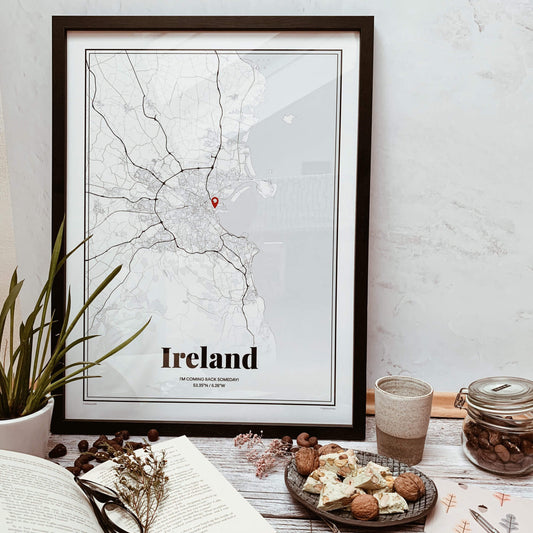


Product Photography Background Types: Elevate Visual Impact

Every product photographer faces the challenge of finding backgrounds that truly highlight the product while eliminating distractions. The backdrop you choose can dramatically shift how consumers perceive quality and style, especially in competitive e-commerce spaces. Whether prepping for a major marketplace listing or refining your brand visuals, vinyl backdrops stand out for their durability and easy maintenance, offering the flexibility needed for crisp, consistent results across diverse shoots.
Table of Contents
- Defining Product Photography Background Types
- Primary Categories of Background Materials
- Specialty Backdrops for Distinct Styles
- Choosing Backgrounds for Marketplace Compliance
- Common Mistakes With Backgrounds
Key Takeaways
| Point | Details |
|---|---|
| Background Selection Matters | Choose the right background type based on product characteristics and marketing goals to enhance visual appeal and brand storytelling. |
| Material Variety is Key | Utilize different materials for backgrounds to achieve specific aesthetics and practical benefits for various product categories. |
| Compliance is Essential | Adhere to e-commerce platform guidelines for backgrounds to ensure product visibility and professional presentation. |
| Avoid Common Pitfalls | Steer clear of background mistakes that distract from the product, such as clashing colors or poor lighting. |
Defining Product Photography Background Types
Product photography backgrounds are foundational visual tools that dramatically transform product presentation and viewer perception. These backgrounds serve far more than aesthetic purposes - they communicate brand identity, product quality, and create contextual narratives around merchandise. Product backgrounds create critical visual environments that either enhance or potentially diminish a product’s marketability.
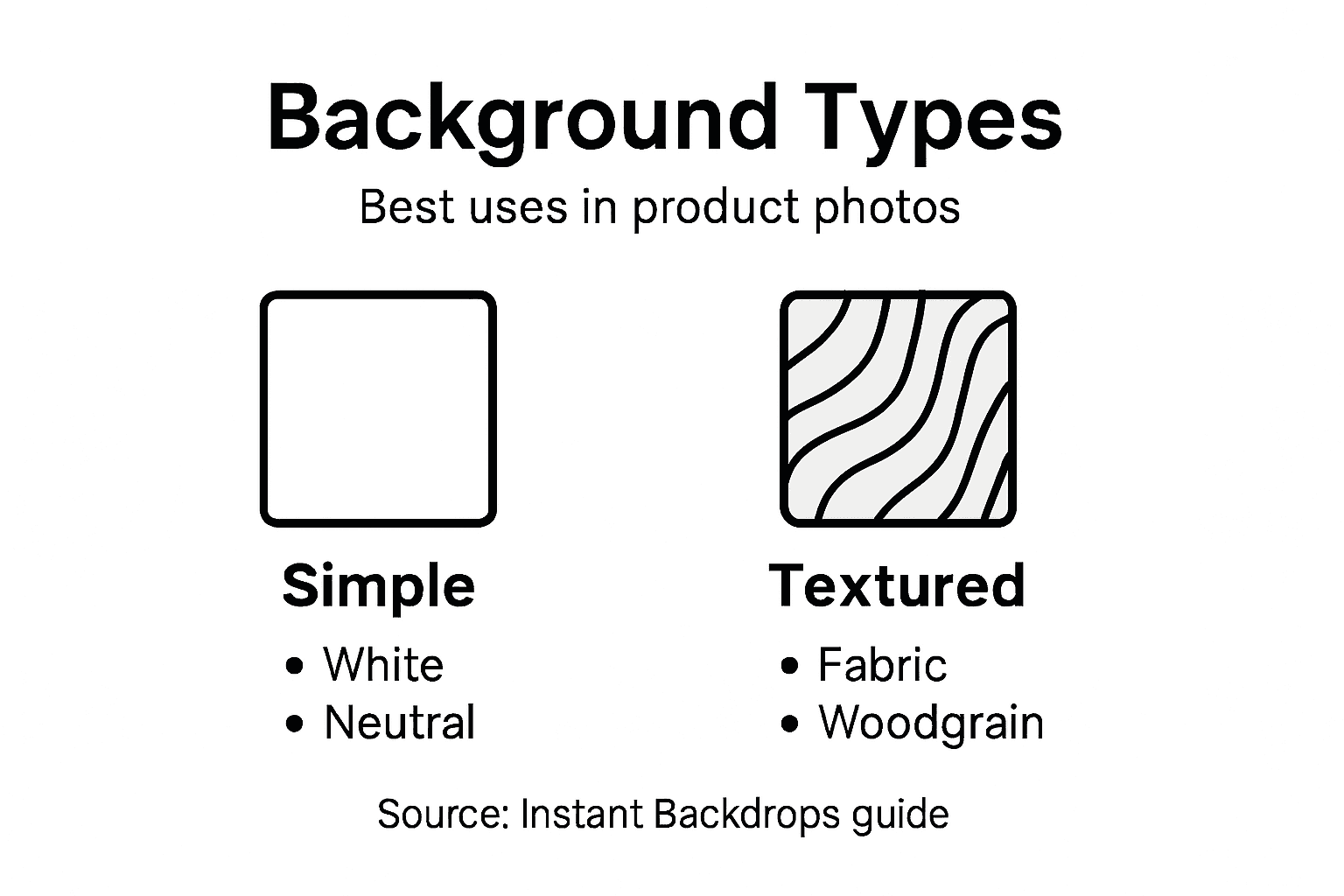
Typically, product photography backgrounds can be categorized into three primary types:
- Plain Backgrounds: Solid colors or neutral tones that minimize visual distraction
- Textural Backgrounds: Surfaces with subtle patterns or material characteristics
- Environmental/Contextual Backgrounds: Scenes that place products within realistic usage scenarios
Each background type offers unique advantages for different product categories and marketing objectives. Plain white backgrounds, for instance, provide clarity and professionalism - particularly effective for e-commerce platforms and technical product presentations. Colored and environmental backdrops help convey emotional narratives that connect products with potential consumer experiences.
Here’s a quick comparison of product photography background types and their recommended usage scenarios:
| Background Type | Ideal Usage | Visual Impact |
|---|---|---|
| Plain | Ecommerce listings, catalogs | Clean, minimal, focused |
| Textural | Lifestyle branding, artisanal goods | Adds depth and warmth |
| Environmental/Context | Social media, promotional campaigns | Storytelling, context-rich |
The selection of an appropriate background requires strategic consideration of multiple factors, including product characteristics, target audience, brand positioning, and intended emotional response. Photographers must analyze product color, texture, size, and intended market perception to choose backgrounds that complement rather than compete with the primary subject.
Pro Tip: Always test multiple background options before finalizing your product photography setup to ensure optimal visual presentation and brand alignment.
Primary Categories of Background Materials
Product photography backgrounds are crafted from diverse materials, each offering unique characteristics and performance advantages. Professional photographers utilize multiple background materials to achieve specific visual and technical objectives across different product categories and shooting scenarios.
The primary categories of background materials include:
- Seamless Paper: Lightweight, affordable, and perfect for clean, uniform backgrounds
- Muslin and Fabric: Adds textural depth and warmth to product presentations
- Vinyl: Durable, easy to clean, and available in multiple finishes
- Canvas: Provides robust and reusable background solutions
- Metal Trays: Specialized surfaces ideal for specific product types like food photography
- Foam Boards: Versatile option for flat-lay and minimalist product shots
Vinyl backdrops offer remarkable versatility with options ranging from matte to glossy finishes, making them particularly adaptable for different product photography needs. Each material brings distinct advantages: seamless paper provides pristine, distraction-free surfaces, while fabric backgrounds introduce subtle textural elements that can enhance product storytelling.

The selection of background material depends on multiple considerations including product type, desired aesthetic, budget constraints, and practical studio requirements. Professional photographers often maintain a diverse collection of background materials to accommodate varying project demands and creative visions.
Refer to this summary of common background materials and key selection factors:
| Material | Best For | Maintenance Needs |
|---|---|---|
| Seamless Paper | High-volume studio work | Low, easily replaceable |
| Muslin/Fabric | Fashion, handmade goods | Medium, requires cleaning |
| Vinyl | Food, cosmetics | Low, easy to clean |
| Canvas | Artisanal products | High, can be reused |
| Foam Board | Minimalist photography | Low, easy to store |
Pro Tip: Invest in versatile background materials that can be easily cleaned, stored, and repurposed across multiple photography sessions to maximize your studio’s efficiency.
Specialty Backdrops for Distinct Styles
Specialty backdrops create powerful visual narratives that transform ordinary product photography into compelling brand storytelling. These carefully curated background surfaces go beyond mere visual support, serving as strategic communication tools that convey brand personality, emotional nuance, and product context.
The most impactful specialty backdrop categories include:
-
Textural Surfaces:
- Marble (suggesting luxury and sophistication)
- Concrete (conveying industrial and modern aesthetics)
- Linen (representing natural and organic qualities)
- Burlap (indicating rustic and artisanal characteristics)
-
Thematic Backgrounds:
- Vintage settings
- Industrial environments
- Minimalist design spaces
-
Specialized Materials:
- Metal trays
- Textured papers
- Metallic foils
- Artistic canvases
Specialty backdrops require strategic lighting techniques to maximize their visual potential without overwhelming the primary product. Professional photographers understand that these backgrounds are not just passive elements but active participants in visual storytelling, carefully selecting surfaces that align with brand messaging and product positioning.
Choosing the right specialty backdrop involves deep understanding of product characteristics, target audience expectations, and the subtle psychological triggers that transform a simple photograph into a memorable brand experience. The backdrop must complement the product’s inherent qualities while creating an emotional connection with potential customers.
Pro Tip: Experiment with multiple backdrop textures and lighting angles to discover unexpected visual narratives that elevate your product’s unique story.
Choosing Backgrounds for Marketplace Compliance
Marketplace background requirements demand precision and strategic planning for successful e-commerce product presentations. E-commerce platforms have stringent guidelines that transform product photography from a creative endeavor into a technical compliance challenge, where even minor background variations can impact product visibility and sales potential.
Key marketplace background compliance requirements include:
-
Primary Image Standards:
- Pure white background (RGB 255, 255, 255)
- Minimum 85% product coverage
- No additional graphics or text
- Professional, shadow-free presentation
-
Technical Specifications:
- Minimum resolution of 1000 pixels
- JPEG or PNG file formats
- Transparent or solid white backgrounds
- Professional post-processing techniques
-
Platform-Specific Rules:
- Amazon Product Images
- eBay Listing Requirements
- Walmart Marketplace Guidelines
- Etsy Seller Standards
E-commerce platforms enforce strict background protocols to maintain visual consistency and professional marketplace aesthetics. While primary product images require clinical white backgrounds, secondary images offer opportunities for brand storytelling and creative presentation.
Successful marketplace compliance requires understanding the delicate balance between technical requirements and brand expression. Photographers and sellers must develop a nuanced approach that meets platform guidelines while maintaining product authenticity and visual appeal.
Pro Tip: Create a standardized product photography workflow that includes dedicated white background setups and post-processing techniques to streamline marketplace image compliance.
Common Mistakes With Backgrounds
Background selection errors can significantly undermine product photography by distracting viewers and reducing professional image quality. These mistakes often stem from overlooking critical visual communication principles that transform backgrounds from passive surfaces into strategic brand storytelling elements.
The most prevalent background selection mistakes include:
-
Color Compatibility Issues:
- Backgrounds clashing with product colors
- Creating visual noise and distraction
- Reducing product visibility
-
Technical Lighting Problems:
- Inappropriate shadow management
- Reflective surfaces causing glare
- Uneven lighting distribution
-
Stylistic Inconsistencies:
- Mismatched backgrounds across product lines
- Inappropriate texture selections
- Failing to maintain brand aesthetic
Product photography backgrounds require precise technical considerations that extend beyond simple visual appeal. Photographers must navigate complex challenges of maintaining marketplace compliance, product emphasis, and brand consistency while avoiding common pitfalls that compromise image quality.
Professional product photographers understand that backgrounds are not mere decorative elements but critical communication tools. Successful background selection demands a nuanced understanding of color theory, lighting dynamics, brand positioning, and viewer psychological responses to visual stimuli.
Pro Tip: Create a standardized background reference guide for your brand that outlines specific color palettes, texture requirements, and lighting specifications to ensure consistent product presentation.
Elevate Your Product Photography with Perfect Backdrops
Choosing the right background is essential for making your products stand out and telling a compelling visual story. Whether you are struggling with distracting textures, inconsistent lighting, or marketplace compliance, using high-quality backdrops can transform your product photos from ordinary to extraordinary. The article highlights key challenges like compatibility between product colors and backgrounds, maintaining brand consistency, and creating emotional connections through visual cues. Our specialized Aristocrat backdrop collection for product & food photography – Instant Backdrops offers ultra-realistic vinyl backdrops designed to deliver exactly that — vibrant, durable, and stain-resistant surfaces that ensure your product images look professional every time.
Discover a wide range of options in our All product photography backdrops – Instant Backdrops collection where practicality meets style. These backdrops are perfect for ecommerce sellers, professional photographers, and content creators seeking versatile and easy-to-maintain solutions. Don’t let background selection challenges hold your brand back. Visit https://instantbackdrops.com now to find your ideal backdrop and start elevating your product photography today.
Frequently Asked Questions
What are the different types of product photography backgrounds?
Product photography backgrounds can typically be categorized into three types: plain backgrounds (solid colors or neutral tones), textural backgrounds (surfaces with subtle patterns), and environmental/contextual backgrounds (scenes that depict realistic usage scenarios).
How do I choose the right background for my product photography?
Selecting the right background involves considering factors such as product characteristics (color, texture, and size), target audience, brand positioning, and the emotional response you want to evoke. Testing multiple options can help you determine the best fit.
What materials are commonly used for product photography backgrounds?
Common materials include seamless paper for clean backgrounds, muslin and fabric for textural depth, vinyl for its durability, canvas for reusable solutions, metal trays for specific product types, and foam boards for minimalist shots.
What mistakes should I avoid when choosing backgrounds for product photography?
Avoid common mistakes like selecting backgrounds that clash with product colors, failing to manage lighting properly, and using inconsistent styles across product lines. These issues can distract viewers and reduce overall image quality.
Recommended
- All product photography backdrops – Instant Backdrops
- Master product photography with these professional tips from Elisabet – Instant Backdrops
- Tips for Choosing the Right Photography Backdrop – Instant Backdrops
- 7 tips to styling The best flatlay – Instant Backdrops
- Product Photography for Amazon: A Guide to Images That Convert | Reddog Consulting Group
- Product Photography Tutorial: Capture Pro-Quality Images Easily - Amateur Photographer Guide
Editor’s Picks


White panels
- From €34,00
- From €34,00
- Unit price
- per

Antique panels
- From €34,00
- From €34,00
- Unit price
- per


Sage panels
- From €34,00
- From €34,00
- Unit price
- per

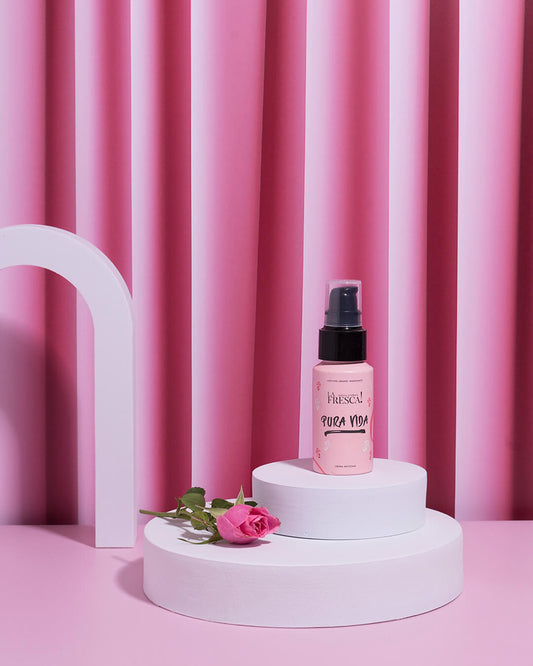
Pink drape
- From €34,00
- From €34,00
- Unit price
- per