








Photography Setup Essentials: Elevating Product Shots

Finding the right photography setup can leave even seasoned professionals questioning which tools truly matter for impactful images. For food photographers and e-commerce sellers, every detail influences how an audience perceives texture, color, and freshness. Investing in premium vinyl backdrops offers a practical solution, combining durability with a flawless, easy-to-clean surface that makes your products shine while simplifying your workflow and supporting consistent, high-quality results.
Table of Contents
- Defining Photography Setup Essentials
- Types Of Photography Setups For Products
- Key Equipment For Professional Backdrops
- Lighting Choices And Their Impact
- Common Setup Mistakes To Avoid
Key Takeaways
| Point | Details |
|---|---|
| Comprehensive Setup | A successful photography setup requires understanding the interconnectivity of equipment rather than solely focusing on expensive gear. |
| Lighting Importance | Effective lighting is critical for product photography, influencing color accuracy and detail perception. |
| Backdrop Selection | The choice of backdrop materials can dramatically affect the visual narrative and perception of products. |
| Avoid Common Mistakes | Pre-shoot checks for stability and lighting can prevent technical errors that undermine image quality. |
Defining Photography Setup Essentials
A professional photography setup represents more than just collecting random equipment - it’s a strategic system where each tool serves a precise purpose in creating exceptional visual content. Photography equipment fundamentals reveal that successful image capture depends not on having the most expensive gear, but on understanding how different components work together seamlessly.
At its core, a comprehensive photography setup requires several critical categories of equipment:
- Camera: The central tool capturing images with precision
- Lenses: Versatile optical instruments enabling different perspectives
- Lighting: Essential for controlling image illumination and mood
- Support Systems: Tripods, stands, and stabilization equipment
- Storage: Memory cards and backup solutions
- Accessories: Filters, cleaning kits, and protective gear
Professional studio configurations demonstrate that photographers must balance functionality with budget constraints. Your equipment selection should align directly with your specific photographic goals - whether crafting portrait shots, capturing product images, or creating stunning landscape compositions.
Understanding equipment interconnectivity matters more than accumulating expensive individual pieces. A well-chosen lens paired with appropriate lighting can produce dramatically better results than top-tier equipment used without technical knowledge. Professional photographers invest time learning how each component enhances image quality, focusing on mastering their tools rather than constantly chasing the newest technology.
Pro tip: Start by investing in versatile, high-quality foundational equipment that can adapt to multiple photography styles, and prioritize learning technical skills over acquiring expensive gear.
Types Of Photography Setups For Products
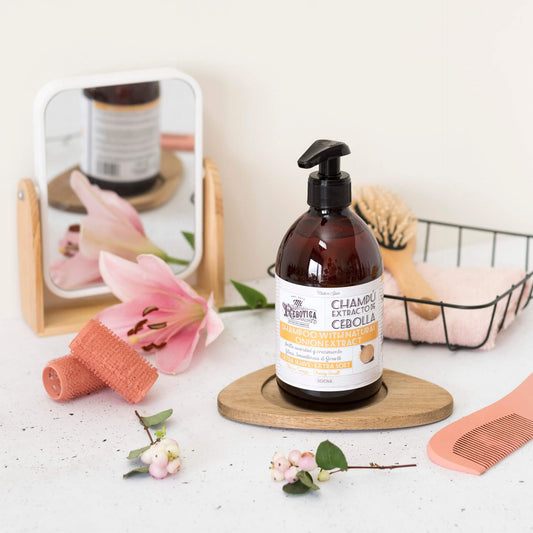
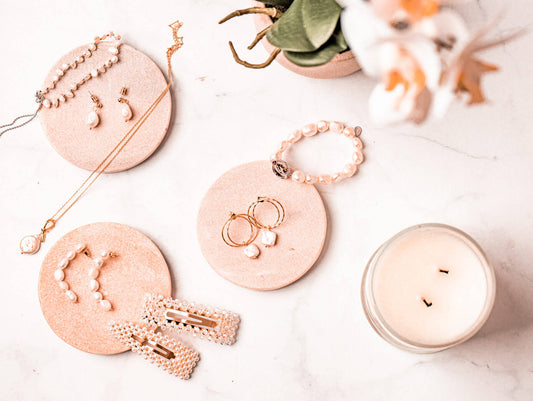
Product photography requires strategic setup approaches that transform ordinary items into visually compelling marketing assets. Product photography setups fundamentally divide into two primary categories: clean packshots and contextual lifestyle images, each serving distinct marketing objectives.
The primary product photography setups include:
-
White Background Setup
- Ideal for e-commerce platforms
- Provides clean, professional product presentation
- Allows maximum focus on product details
-
Lifestyle Contextual Setup
- Shows product in real-world usage scenarios
- Creates emotional connection with potential buyers
- Demonstrates practical product functionality
-
Natural Light Setup
- Uses ambient, soft illumination
- Best for organic, authentic product representations
-
Studio Controlled Lighting Setup
- Precise light manipulation
- Consistent image quality
- Allows intricate shadow and highlight control
Photography setup techniques emphasize the critical role of lighting and equipment selection. Professional photographers strategically choose camera lenses - particularly macro lenses for small items - and utilize stable tripods to ensure sharp, high-resolution product images.
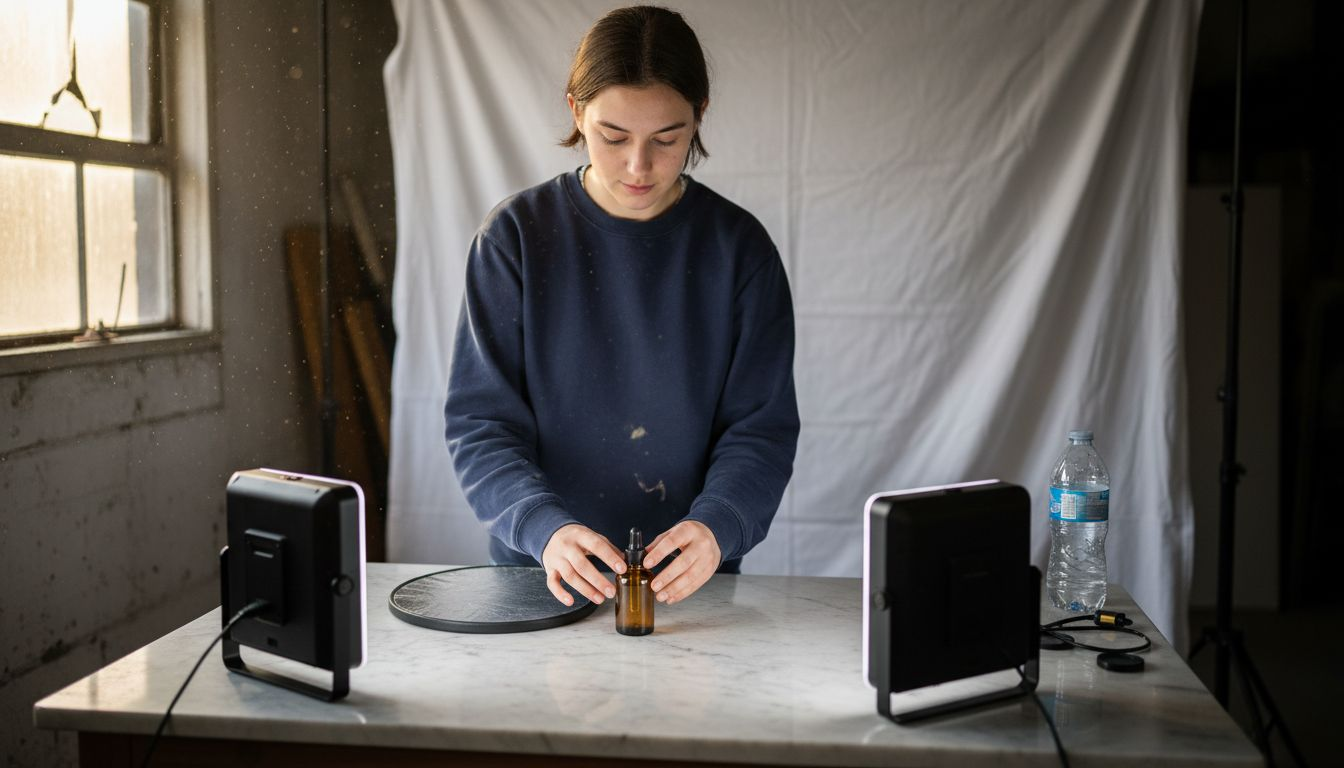
Technical considerations like light diffusion, background texture, and camera stability dramatically influence product presentation. Reflectors, diffusers, and carefully positioned lights transform ordinary product shots into compelling visual narratives that capture potential customers’ attention and showcase items in their most appealing form.
Pro tip: Invest in versatile lighting equipment and practice controlling light direction and intensity to create professional-quality product images that highlight your items’ unique characteristics.
Key Equipment For Professional Backdrops
Professional photographers understand that backdrop selection is far more than a simple background choice - it’s a strategic visual decision that dramatically impacts product perception. Backdrop selection factors involve complex considerations of surface texture, color psychology, and visual storytelling potential.
The primary backdrop equipment categories include:
-
Backdrop Materials
- Seamless paper
- Vinyl surfaces
- Canvas backgrounds
- Muslin fabrics
- Collapsible options
-
Mounting Equipment
- Sturdy backdrop stands
- Adjustable crossbars
- Secure clamps
- Portable support systems
-
Lighting Accessories
- Diffusers
- Reflectors
- Light stands
- Color gels
Professional backdrop solutions reveal critical nuances in material selection. Vinyl backdrops offer exceptional durability and easy cleaning, while muslin backgrounds provide soft light diffusion. Seamless paper remains ideal for creating clean, uniform backgrounds that maintain professional visual standards.
Technical photographers recognize that backdrop equipment extends beyond simple materials. Proper stands, secure mounting systems, and versatile lighting accessories transform ordinary product shots into compelling visual narratives. Understanding how different backdrop textures interact with lighting can create depth, highlight product features, and communicate brand personality without additional post-production editing.
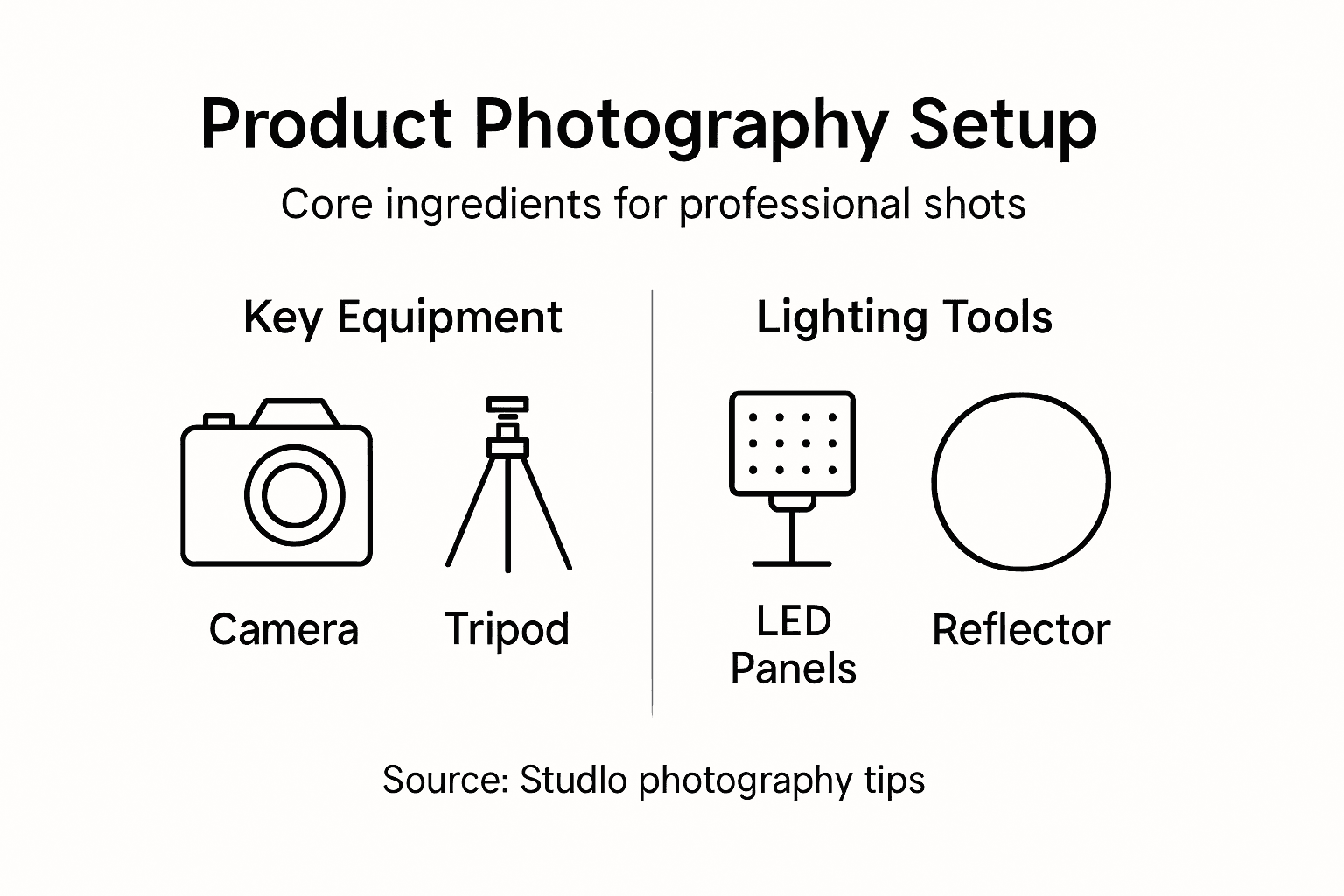
Pro tip: Invest in a versatile backdrop kit with multiple material types and invest time in understanding how different surfaces interact with your specific lighting setup.
Lighting Choices And Their Impact
Photography lighting is the secret language that transforms ordinary product images into compelling visual stories. Product photography lighting fundamentally impacts image perception, influencing everything from texture and color accuracy to potential buyer engagement.
The primary lighting techniques include:
-
Natural Light Setup
- Soft, organic illumination
- Works best near large windows
- Ideal for organic product presentations
-
Studio Strobe Lighting
- Precise, controllable illumination
- Consistent color temperature
- Allows exact light placement
-
Continuous LED Lighting
- Constant light source
- Energy efficient
- Provides real-time visibility of lighting effects
-
Softbox Configurations
- Diffused, even light distribution
- Minimizes harsh shadows
- Creates professional studio aesthetic
Professional lighting strategies emphasize understanding light’s subtle interactions with product surfaces. Soft, diffused lighting helps highlight intricate details while avoiding distracting reflections or harsh shadows that could misrepresent product quality.
Here’s a comparison of photography lighting techniques and their ideal applications:
| Lighting Technique | Best Use Case | Key Advantage | Potential Challenge |
|---|---|---|---|
| Natural Light | Lifestyle product shots | Soft, reflects true colors | Unpredictable light shifts |
| Studio Strobe Lighting | Commercial product sets | Precise, powerful illumination | Requires setup expertise |
| Continuous LED Lighting | Video & real-time previews | Easy light adjustment | May have lower intensity |
| Softbox Configurations | Detailed studio images | Consistent, shadow control | Bulky in small studios |
Mastering lighting involves more than equipment - it’s about understanding how different light angles, intensities, and modifiers can dramatically transform a product’s visual narrative. Sophisticated photographers manipulate light like painters, using shadows and highlights to sculpt perception and draw viewers’ attention to key product features.
Pro tip: Practice creating lighting setups using white and black foam boards to understand how light bounces and affects product texture before investing in expensive studio equipment.
Common Setup Mistakes To Avoid
Product photography demands precision, and common studio mistakes can transform promising shots into visual disappointments. Professional photographers understand that technical errors often undermine even the most carefully planned product images.
The most critical setup mistakes include:
-
Equipment Instability
- Wobbly tripods
- Unsecured light stands
- Poorly calibrated camera mounts
-
Lighting Errors
- Harsh direct lighting
- Uneven light distribution
- Incorrect color temperature
-
Technical Setting Mistakes
- Incorrect ISO selection
- Poor white balance
- Relying on automatic modes
-
Composition Problems
- Cluttered backgrounds
- Improper subject positioning
- Inconsistent image framing
Photography technical errors often stem from overlooking fundamental technical details. Shooting without understanding manual controls leads to overexposed images, unnatural color representation, and diminished product attractiveness.
Below is a summary table of common product photography mistakes and their impact:
| Mistake Type | Resulting Problem | How to Prevent |
|---|---|---|
| Equipment instability | Blurry, unusable images | Stabilize gear before shooting |
| Lighting errors | Harsh or inaccurate colors | Balance and diffuse all lighting |
| Technical settings | Poor exposure, unnatural tones | Check ISO and white balance |
| Composition problems | Distracting or unclear subjects | Pre-plan framing and backgrounds |
Successful photographers treat their setup as a strategic system, not just a collection of random equipment. Every light placement, camera angle, and technical setting communicates something about the product. Understanding how small adjustments impact image quality separates amateur snapshots from professional, conversion-driving product photography.
Pro tip: Create a pre-shoot equipment checklist that includes tripod stability, lens cleaning, battery charge, and manual camera setting verification to minimize preventable technical errors.
Elevate Your Product Photography with the Perfect Backdrop
Struggling to achieve that flawless professional look in your product shots? The article highlights how lighting, backdrop selection, and equipment stability are critical to creating compelling images that truly showcase your products. Common challenges include inconsistent backgrounds and distracting textures that detract from the product’s appeal. With a focus on strategic backdrop materials and lighting control, the right setup transforms ordinary images into conversion-driving visuals.
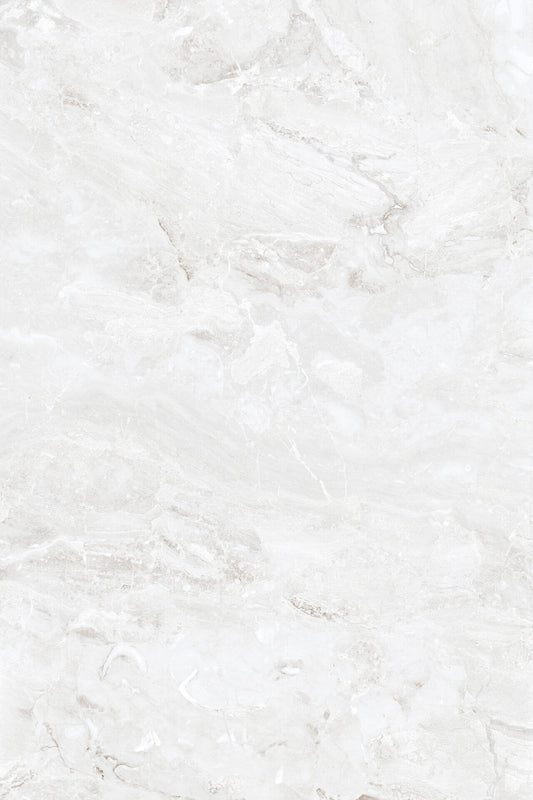
Discover how Instant Backdrops can solve these pain points by offering durable, ultra-realistic vinyl backdrops designed specifically for product photography. Whether you need a seamless white background or rich textures like marble and wood, our Solid and gradient backdrop collection for product & food photography – Instant Backdrops provides versatile options that complement any lighting setup to highlight product details with vivid clarity.
Upgrade your studio with professional-grade backdrops that resist spills, withstand close-up shots, and maintain vibrant colors session after session. Explore our complete range in All product photography backdrops – Instant Backdrops or choose curated options in the Bundles backdrop collection for product & food photography – Instant Backdrops to get started immediately. Visit Instant Backdrops now to enhance your photography setup and deliver stunning, consistent product images that capture your audience’s attention.
Frequently Asked Questions
What are the essential components of a photography setup for product shots?
A comprehensive photography setup for product shots includes a camera, lenses, lighting, support systems (like tripods), storage solutions, and accessories. Each component plays a crucial role in capturing high-quality images that effectively showcase products.
How does lighting affect product photography?
Lighting is critical in product photography as it influences the texture, color accuracy, and overall perception of the product. Proper lighting techniques, such as softbox configurations or natural light setups, can enhance details and create a professional look.
What common mistakes should I avoid in my photography setup?
Common mistakes include using unstable equipment, improper lighting, incorrect technical settings, and poor composition. Ensuring equipment stability, balancing lighting, and pre-planning your shot can help prevent these issues.
How can I choose the right backdrop for product photography?
The right backdrop is determined by material (like vinyl, muslin, or seamless paper), texture, and color psychology. Consider how each backdrop interacts with your lighting setup and how it can enhance your product’s visual story.
Recommended
- Product Photography Background Types: Elevate Visual Impact – Instant Backdrops
- Backdrops for E-Commerce Sellers: Boost Product Appeal – Instant Backdrops
- Master product photography with these professional tips from Elisabet – Instant Backdrops
- Mastering Food Photography with Your Smartphone: 8 Expert Tips – Instant Backdrops
- Product Photography Tutorial: Capture Pro-Quality Images Easily - Amateur Photographer Guide
Editor’s Picks
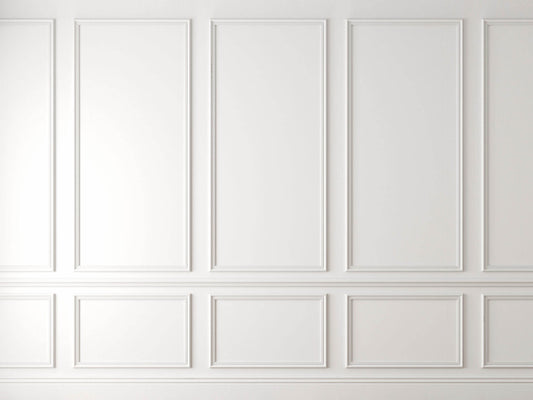
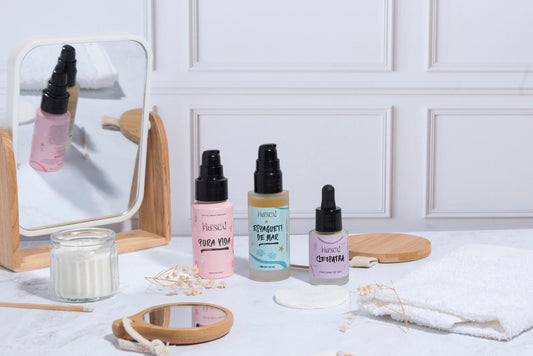
White panels
- From €34,00
- From €34,00
- Unit price
- per
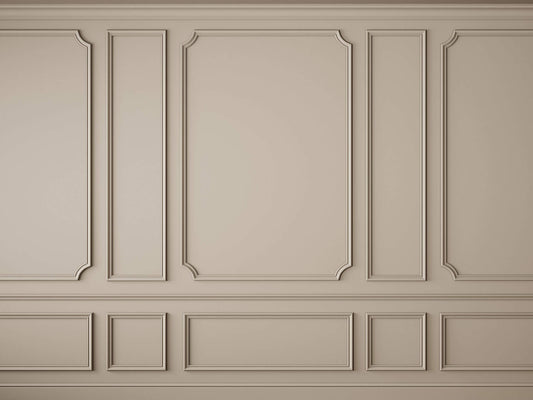
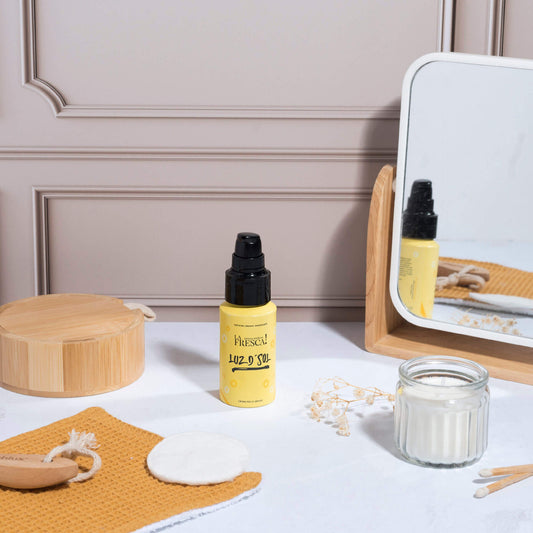
Antique panels
- From €34,00
- From €34,00
- Unit price
- per


Sage panels
- From €34,00
- From €34,00
- Unit price
- per

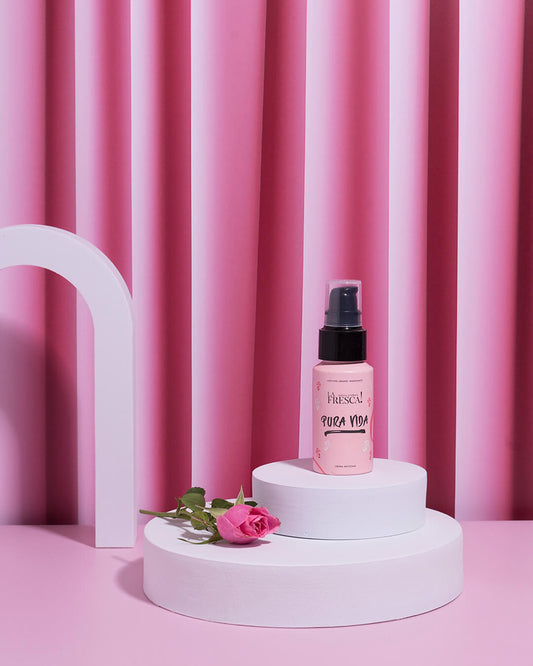
Pink drape
- From €34,00
- From €34,00
- Unit price
- per