




Backdrop versatility: unlock your creative potential
TL;DR:
- Versatile backdrops enable multiple distinct images from a single surface by adjusting angles, lighting, and crops. This flexibility reduces costs, storage needs, and enhances creative workflow, leading to more engaging and diverse visual storytelling. Selecting appropriate colors, textures, and sizes maximizes impact across various platforms and elevates brand presentation.
One versatile backdrop can produce more variety than most photographers expect. In a single session, creative backdrop techniques like varying your angle, distance, lighting, and crop can generate a dozen or more distinct images from the same surface. That fact alone challenges the common instinct to keep buying more backdrops when creative output starts feeling flat. Whether you shoot food, jewelry, fashion, or lifestyle content, understanding how to fully leverage backdrop versatility will sharpen your workflow, lower your overhead, and give your visual storytelling real range.
Table of Contents
- What is backdrop versatility and why does it matter?
- How backdrop versatility boosts creativity and workflow
- Backdrop versatility for product and brand storytelling
- Expert strategies: Color, texture, and size for maximum impact
- Why most photographers underestimate backdrop versatility
- Explore versatile backdrops and unlock your creative edge
- Frequently asked questions
Key Takeaways
| Point | Details |
|---|---|
| Maximized creative output | Versatile backdrops let you achieve dozens of looks from a single surface for endless creative possibilities. |
| Time and cost efficiency | Multi-use and permanent backdrop systems save hours weekly and reduce the need for excess purchases. |
| Improved conversions | Professional, varied backdrop images increase sales by up to 94% and reduce return rates by setting accurate expectations. |
| Adapts to every platform | Switch effortlessly between marketplace-ready, editorial, or lifestyle looks to meet the demands of any assignment. |
| Universal color solutions | Warm neutrals like taupe and tan work in almost every scenario, flattering people and products under any light. |
What is backdrop versatility and why does it matter?
Backdrop versatility is the ability to produce multiple styles, moods, and visual narratives from the same surface. It is not about having one plain gray paper roll. It is about choosing backdrops that respond differently to shifting lighting, angles, and compositions so that your creative output per shoot is genuinely high.
This concept matters because it directly reduces two of the most common friction points for working photographers: cost and storage. Every additional backdrop you purchase needs to be bought, shipped, stored, and maintained. When one high-quality surface can do the work of three or four, your budget goes further. Your kit stays lighter.
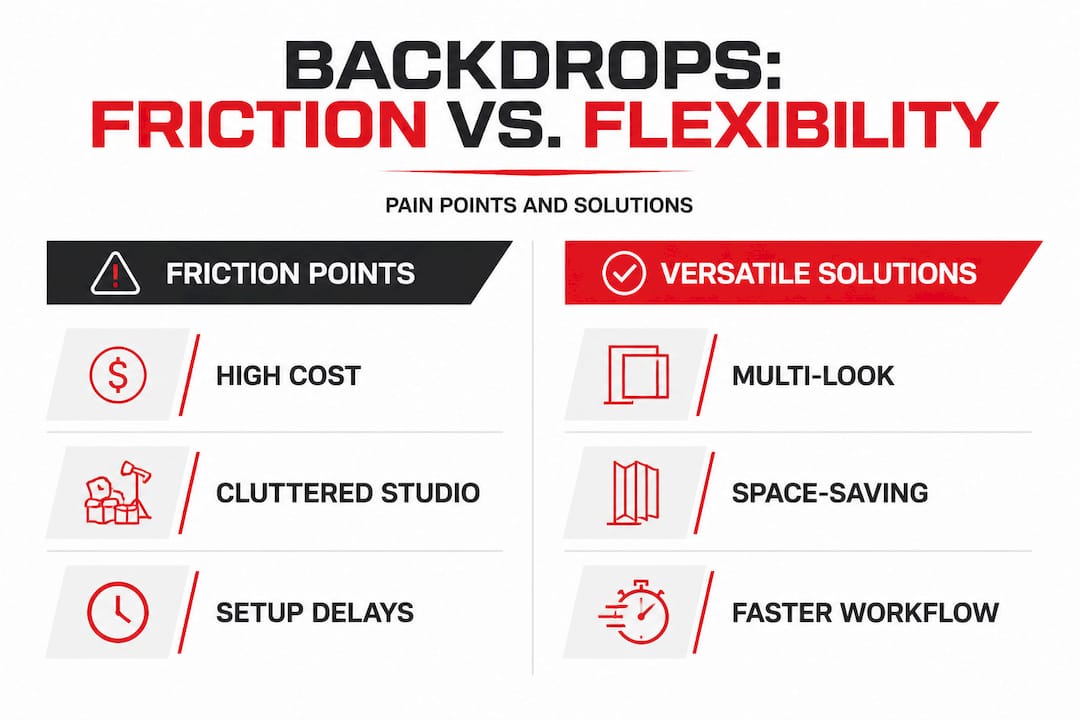
Backdrop versatility enables multiple looks from one surface through changes in angle, distance, crop, and lighting. That flexibility serves both commercial goals, where you need product images for multiple platforms, and storytelling goals, where emotion and context carry the image.
Here are the core ways versatility shows up in practice:
- Multiple moods from the same shoot: A marble surface reads as sleek and elegant in one shot and warm and editorial in another, simply by adjusting your light source.
- Fewer storage headaches: Professional backdrop usability is partly about how easily a surface fits into your physical workspace.
- Lower cost per image: If you can generate 12 usable images from one backdrop in a single session, your cost per image drops significantly.
- Broader client appeal: One versatile backdrop supports editorial shoots, product listings, and social media content without switching surfaces.
“A single backdrop is not a limitation. It is a starting point. What you do with light, angle, and crop is where the real creative work begins.”
Understanding this reframes how you evaluate and invest in backdrops. The question stops being “how many do I own?” and starts being “how many images can I create from what I have?” That shift in thinking is foundational to pro-level backdrop versatility.
How backdrop versatility boosts creativity and workflow
Once you understand what versatility means, the next step is seeing it in action. The practical benefits for daily workflow are significant and measurable.
Research shows that one backdrop yields 12 distinct images through changes made every five minutes during a session. Think about what that means for a product photographer with a tight client deadline. Instead of swapping surfaces repeatedly, you adjust your overhead light, shift your camera to a three-quarter angle, tighten your crop, and you have a completely different image. No teardown. No reset. Just creative decision-making.
Here is a simple numbered workflow that puts this into practice:
- Set up your hero shot at a standard 90-degree overhead angle with even lighting.
- Shift to a 45-degree angle and introduce a directional light source from the side.
- Pull back and crop wider to add foreground elements like props or fabric textures.
- Switch to a close-up crop of a product detail against the backdrop texture.
- Alter the color temperature of your lighting to warm or cool the overall mood.
- Try a low front angle to create depth and atmosphere with the same surface.
Each step takes minutes. Combined, they can fill an entire content calendar from a single session.
Workflow efficiency by setup type
The type of setup you use also determines how much time you save. Here is a breakdown:
| Setup type | Time to switch backdrops | Weekly time saved |
|---|---|---|
| Manual roll swap | 20 to 30 minutes per change | Low |
| Collapsible Duo board | 2 to 5 minutes per change | Medium |
| Permanent multi-roller system | Under 1 minute per change | High |
Permanent multi-roller backdrop systems save 2 to 3 hours weekly on setup and teardown alone. For busy photographers who shoot multiple sessions a day, that recovered time is genuinely valuable. It converts to more sessions per week or simply less physical fatigue.
The backdrop styling ideas you apply are only as good as your ability to execute them quickly and consistently. Efficient setup supports that execution.
Pro Tip: Before your shoot, sketch out six different compositions you plan to capture. Assign each one a specific lighting position and crop style. Pre-planning like this turns a loose creative session into a structured workflow that maximizes output without sacrificing spontaneity.
Beyond speed, versatile backdrops support rapid adaptation to varied client needs. One session might require clean detail shots for an Amazon listing and lifestyle-style imagery for Instagram. A single textured vinyl backdrop that reads as both neutral and atmospheric can serve both needs without requiring a complete visual overhaul. Choosing large backdrops with enough surface area also gives you room to reframe without running out of usable background space.
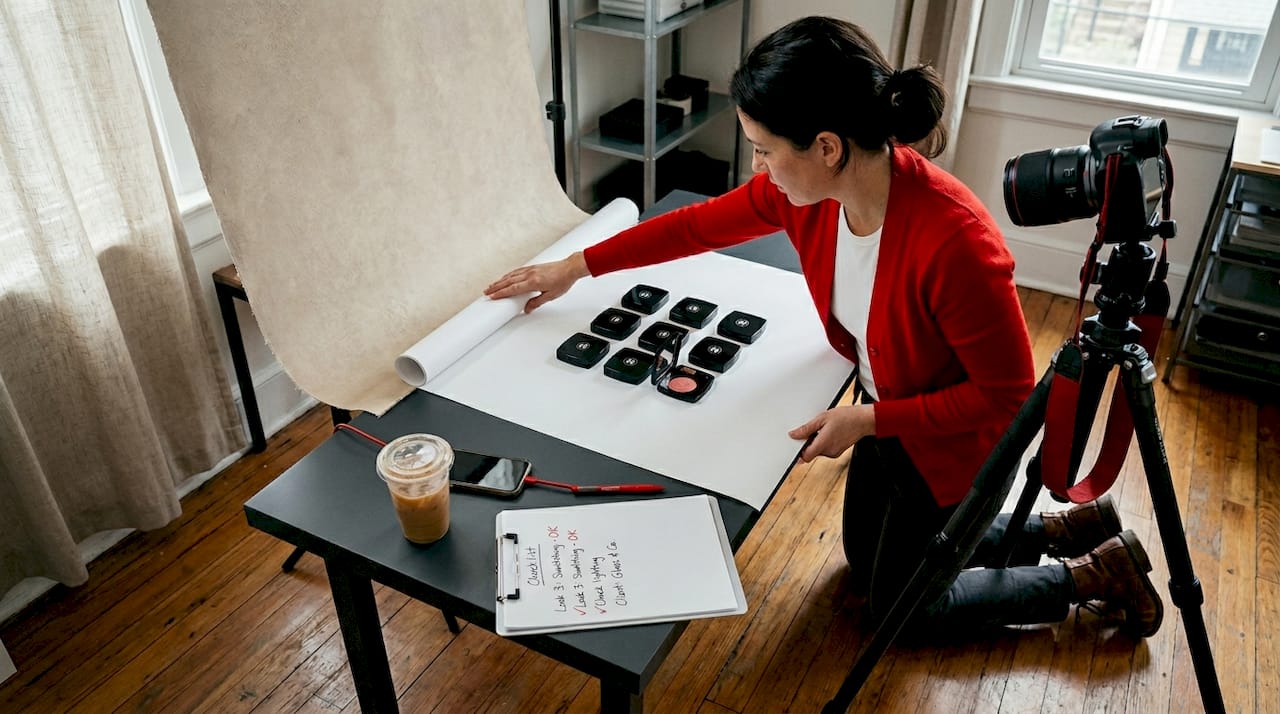
Backdrop versatility for product and brand storytelling
Efficiency and range matter, but the real payoff is in what versatile backdrops do for your brand imagery and customer engagement. This is where versatility moves from a practical tool to a business asset.
Different marketplaces and platforms need different visual approaches. Amazon listings typically require clean, white, distraction-free backgrounds that emphasize the product itself. Instagram and direct-to-consumer platforms reward atmospheric, textured, and lifestyle-oriented images that convey brand personality. A versatile backdrop collection lets you serve both without maintaining separate studio setups.
The key is matching your backdrop choice to your product’s character. Product photography backdrops that complement the product’s vibe, like marble for elegant goods or wood for rustic brands, create the kind of visual coherence that makes images feel intentional. That intentionality builds trust with the buyer.
Here is how backdrop choices map to platform goals:
| Platform | Best backdrop style | Primary goal |
|---|---|---|
| Amazon, Etsy | Clean white or light neutral | Clarity, compliance, detail |
| Instagram, Pinterest | Textured, tonal, lifestyle | Engagement, brand identity |
| Brand website | Versatile mix | Conversion, consistency |
| Editorial or lookbooks | Atmospheric, layered | Storytelling, aspirational feel |
The data behind this is hard to ignore. High-quality, versatile product images using multiple styles and backdrops can increase conversions by 30 to 94% and also reduce product returns. Returns go down because customers have a more accurate and complete picture of what they are buying. That is a meaningful business outcome tied directly to your backdrop decisions.
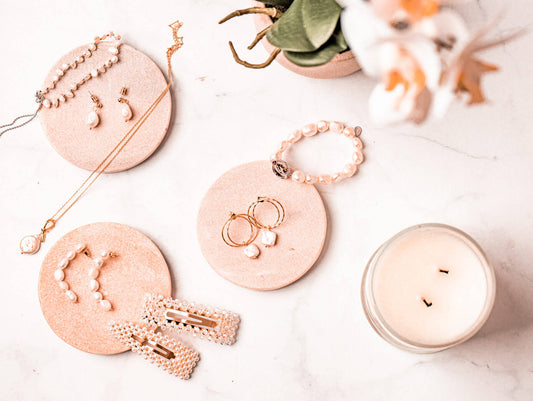
Consider a jewelry brand shooting a new collection. Product-only shots on a clean light gray surface establish clarity and allow close-up detail to shine. The same pieces photographed on a warm stone surface with softer, angled lighting create aspirational lifestyle appeal. Both images serve the same product but reach different buyer mindsets. Together, they form a more complete and persuasive presentation.
The e-commerce backdrop impact is real and measurable. And for lifestyle shoot backdrops, the atmospheric quality of the surface is often what separates images that scroll past from images that stop a feed cold.
Key factors that tie versatile backdrops to business outcomes:
- More image variety per product leads to higher time-on-page.
- Consistent visual identity across varied formats builds brand recognition.
- Atmospheric images generate stronger click-through rates on social platforms.
- High-quality surfaces hold up to close-up scrutiny, which matters for jewelry and beauty categories.
Expert strategies: Color, texture, and size for maximum impact
Getting the most from versatile backdrops comes down to a few practical decisions before you ever pick up your camera. Color, texture, and size each play a specific role in how much utility you actually get.
Color choices that work across the most scenarios
Warm neutrals like taupe and tan are the most versatile colors for photography backdrops. They complement every skin tone and wardrobe across varied lighting conditions. They do not fight with your product’s color palette the way a cooler gray can, and they feel editorial without being overly stylized. For food photography, warm stone tones make dishes look inviting and fresh. For fashion, they balance almost any garment without adding visual noise.
That said, a two-surface approach often works better than relying on one color for everything. Consider pairing a warm neutral with a cool marble or concrete tone. You can then serve the full range of product categories without color fatigue setting in across a shoot.
Helpful color framework:
- Warm neutrals (taupe, tan, linen): Best for food, fashion, lifestyle, portraits.
- Light marble (white with gray veining): Best for beauty, jewelry, wellness products.
- Concrete or stone (mid-tone gray): Best for tech, menswear, spirits, and editorial.
- Dark wood or aged surfaces: Best for artisan goods, coffee, spirits, and fall seasonal content.
Texture and finish
Double-sided backdrops offer an efficient solution for photographers who want two looks without doubling their kit. Options like Duo Boards with dual-sided textures such as marble, tiles, and concrete give you two distinct surfaces in one product. That doubles your creative options and cuts storage requirements in half.
Matte finishes reduce glare and unwanted reflections, which makes them more forgiving under bright or harsh studio lighting. Glossy or semi-gloss surfaces can add depth but require more careful light placement to avoid hotspots. For most product and food photographers, matte is the safer and more versatile default.
Sizing for maximum flexibility
Backdrop size is critical to how much flexibility you actually have during a shoot. A backdrop that is at least 8x10 feet allows full flexibility for both portrait and product work. Smaller surfaces force tight framing, limit prop placement, and increase the time you spend editing out edges or inconsistencies.
For tabletop and flat lay work, even a 2x3 foot surface can feel restricting once you add multiple products, styling elements, or want to shift your composition dramatically. Going larger from the start saves frustration later.
Pro Tip: Before committing to a backdrop purchase, test your intended surface under both warm tungsten light and cooler daylight-balanced LED. The same surface can look dramatically different under each, and confirming that it holds up across both conditions protects your investment and guarantees consistency across client deliverables.
Learning the essentials around backdrop size and investing in premium backdrop quality both pay off in visible, measurable ways over the course of a professional career.
Why most photographers underestimate backdrop versatility
Here is an honest observation: most photographers treat backdrops as a line item, not a creative asset. They buy the cheapest option that gets the job done, store it poorly, and then wonder why their images lack the visual range their clients expect. That approach is costing them more than they realize.
Versatility translates directly to sessions per hour and portfolio strength. A photographer who can shift from a clean, minimal look to a warm, textured editorial feel without breaking the setup rhythm is a faster, more valuable shooter. Clients notice that speed. They also notice when a photographer seems to struggle visually, cycling through the same surface for every product regardless of how it actually fits.
The financial return on a versatile, high-quality backdrop is often underestimated because it is indirect. You may not see the ROI in a single invoice. You see it in the client who books again because the images looked cohesive and professional. You see it in the reduced editing time because your surface held up to close-up crops without distortion. You see it in the portfolio image that wins a new client from Instagram because the surface gave the product room to shine.
The role of the backdrop in product photography extends far beyond “something behind the subject.” It is a texture, a mood signal, a brand statement, and a composition tool all at once. Treating it that way changes how you invest, how you shoot, and how your work is received.
Color adaptability is especially undervalued. A backdrop that flatters your product in multiple lighting conditions and across a range of color palettes is not a small thing. It is the difference between a surface that earns its space in your kit and one that collects dust between the three shoots it actually works for.
Explore versatile backdrops and unlock your creative edge
Ready to push your studio’s output and visual storytelling further? Instant Backdrops offers collections built specifically for photographers and content creators who need surfaces that work hard across multiple styles and sessions.
Explore the tile backdrop collection for clean, architectural surfaces that shift beautifully between lifestyle and product contexts. Browse the wall backdrop collection for atmospheric, textured options that add depth and mood to any shoot. All surfaces at Instant Backdrops are made from durable, stain-resistant vinyl with high-resolution prints built to hold up under close-up shots and real studio conditions. Whether you are styling a food flat lay, a jewelry campaign, or a full fashion editorial, there is a surface ready to work.
Frequently asked questions
How can I create multiple looks with one backdrop?
Change your shooting angles, lighting direction, crops, and product placement to achieve a dozen or more distinct images from a single versatile backdrop. Research confirms that one backdrop yields 12 images through changes made every five minutes during a session.
Are textured or lifestyle backdrops better than plain white ones?
White backdrops are required for some marketplaces and excel at boosting clarity, while textured and lifestyle options drive significantly higher engagement and click-through rates on social and direct-to-consumer platforms. The best approach is having both available.
Does backdrop color affect skin tones and product presentation?
Yes, warm neutrals like taupe or tan complement every skin tone, wardrobe, and lighting situation, making them an excellent default choice for versatile shooting across product and portrait categories.
How big should my backdrop be for most scenarios?
A backdrop at least 8x10 feet in size offers the most flexibility for both portrait and product photography and minimizes the post-editing needed to clean up edges or tight framing.
How much can professional images improve my sales or engagement?
High-quality, varied product images using multiple styles and backdrops can boost conversions by 30 to 94% and help reduce product returns by giving customers a clearer, more complete view of what they are buying.
Recommended
- Backdrop versatility: master pro-quality visual storytelling – Instant Backdrops
- Creative backdrop ideas to elevate your photo shoots – Instant Backdrops
- 12 backdrop styling ideas to elevate your photography – Instant Backdrops
- Why portable backdrops matter: elevate your photography – Instant Backdrops