





Decorative wall backdrops: Guide for photographers & influencers
TL;DR:
- Proper backdrops give photographers control over texture, color, and mood, ensuring consistent professional results.
- Selecting the right backdrop involves considering durability, reflectance, size, and how it aligns with the subject and brand.
- Effective setup and lighting are crucial for eliminating glare, wrinkles, or tears, maximizing backdrop impact.
Your backdrop choice is quietly shaping how your audience perceives your work. A single background decision can mean the difference between a scroll-stopping image and one that gets ignored. Most photographers and influencers underestimate this, spending hours in post-production trying to fix what a better backdrop would have solved in seconds. This guide breaks down exactly what decorative wall backdrops are, how to choose and set them up, and how to use them strategically to elevate your photos, reels, and product shots without second-guessing every creative decision.
Table of Contents
- What are decorative wall backdrops?
- Choosing the right backdrop for your style and subject
- Setup essentials: Mounting, sizing, and lighting for flawless results
- Troubleshooting and creative upgrades: Common issues and viral trends
- Our take: What most creators overlook about decorative wall backdrops
- Ready to upgrade your visual content? Start with the right backdrops
- Frequently asked questions
Key Takeaways
| Point | Details |
|---|---|
| Backdrop choices shape brand | Consistent, intentional backdrop use strengthens your visual identity more than chasing trends. |
| Lighting matters most | Mastering separate and diffused lighting for backdrops prevents glare and reveals texture. |
| Match backdrop to subject | Choose backdrop type, texture, and color to suit your genre, brand, and target audience. |
| Upgrade with trends wisely | Layered, pastel, and modular backdrops boost shareability but require sound technique to shine. |
What are decorative wall backdrops?
Decorative wall backdrops are purpose-built backgrounds designed to give your photos and videos a controlled, repeatable visual environment. Unlike shooting against a random wall or improvised surface, a proper backdrop gives you full command over texture, color, light response, and overall mood. That control is what separates consistent, professional-looking content from work that feels unpolished.
There are five main types you’ll encounter:
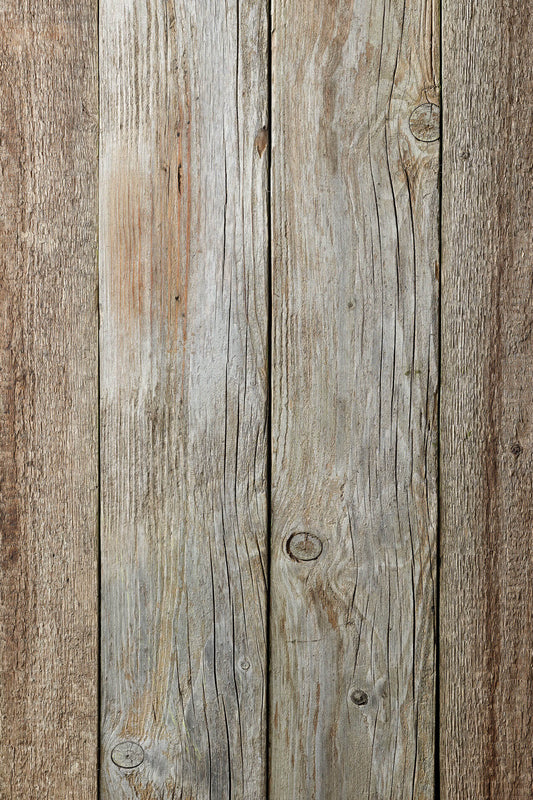
- Printed vinyl: Durable, stain-resistant, and available in ultra-realistic textures like marble, stone, and wood. Great for product, food, and lifestyle photography.
- Painted canvas: A classic studio option with a hand-crafted feel. Works well for portraits and artistic shoots.
- Seamless paper: Affordable and clean, ideal for solid-color backgrounds. Tears easily, so it’s best for controlled studio settings.
- Modular textiles: Fabric panels that can be rearranged for creative flexibility. Textiles outperform glossy finishes in mixed light and are best for creative or modular needs.
- DIY walls: Custom-built or painted surfaces. Budget-friendly but difficult to replicate consistently.
Here’s a quick comparison to help you decide:
| Type | Durability | Reflectance | Cost |
|---|---|---|---|
| Printed vinyl | High | Medium | Medium |
| Painted canvas | Medium | Low | Medium |
| Seamless paper | Low | Low | Low |
| Modular textile | High | Low | Medium/High |
| DIY wall | Variable | Variable | Low |
Print quality and backdrop size also matter more than most people realize. A high-resolution print holds up under close-up shots and doesn’t pixelate when cropped. Larger backdrops, typically 5x7ft or bigger, give you more room to compose without running out of background. For more backdrop ideas for professionals, exploring curated options by subject type is a smart starting point. If you’re still weighing your options, a dedicated resource on choosing the right backdrop can help you narrow it down fast.
Choosing the right backdrop for your style and subject
Now that you know the backdrop types, let’s explore how to choose the right one to fit your style, subject, and brand story.
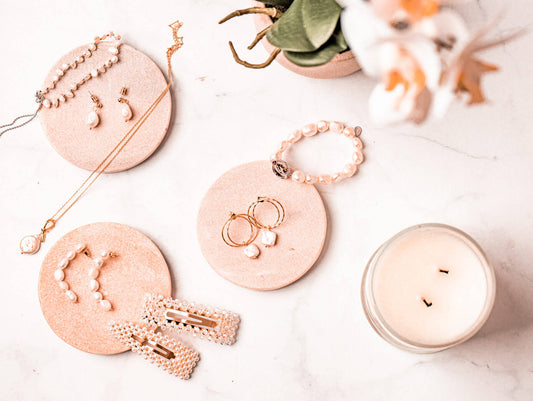
Matching your backdrop to your subject isn’t just an aesthetic preference. It directly affects how your audience reads the image. A product shot on a warm wood texture feels artisan and approachable. The same product on cold gray marble reads as premium and modern. The background is doing emotional work before your audience consciously registers it.
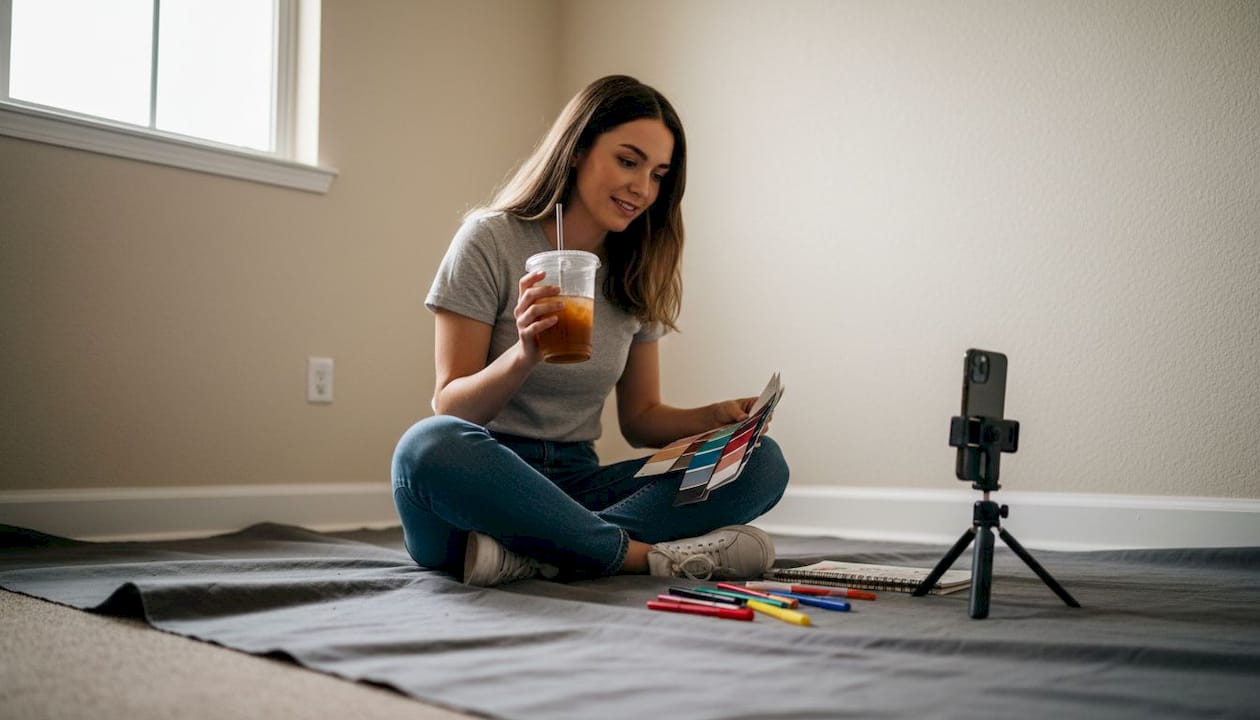
Color psychology plays a real role here. Gray and neutral tones support professional headshots, while textures create engagement and match creative or branded aesthetics. Earth tones signal wellness, sustainability, and authenticity. Pastels perform exceptionally well on social platforms because they feel fresh, light, and shareable.
Here’s a genre-by-genre breakdown:
| Genre | Best backdrop type | Recommended finish |
|---|---|---|
| Product photography | Printed vinyl | Matte or subtle texture |
| Portraits | Canvas or textile | Soft, low-reflectance |
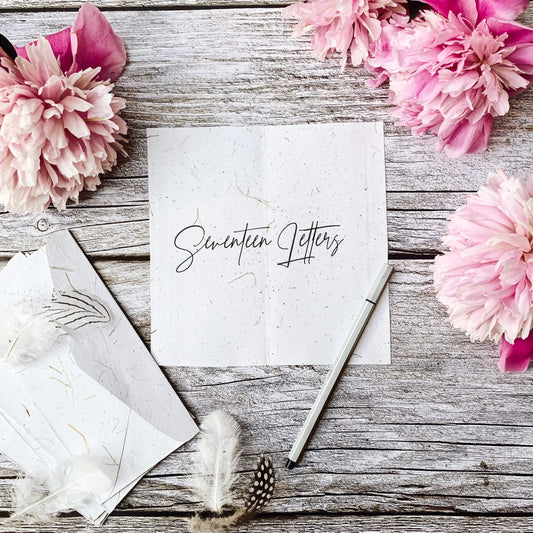
| Influencer content | Decorative wall or pastel vinyl | Bold texture or color |
| Events | Modular textile | Customizable |
When evaluating any backdrop for purchase or use, run through these key considerations:
- Reflectance: Does the finish bounce light in a way that creates glare or washes out your subject?
- Durability: Will it hold up to repeated use, spills, or floor contact?
- Ease of setup: Can you get it ready quickly without a second pair of hands?
- Space requirements: Does the size fit your shooting environment?
For more pro tips for decorative backdrops and real-world application, it’s worth reviewing how working photographers approach their setups. You can also browse backdrop style examples to see how different finishes translate in actual shoots.
Pro Tip: Try layering a textured backdrop behind a semi-transparent foreground element like sheer fabric or a plant. This adds depth and dimension to flat lay or portrait shots without needing a second setup.
Setup essentials: Mounting, sizing, and lighting for flawless results
Having selected your backdrop, achieving pro results depends on setup. Here’s a step-by-step approach to mounting, sizing, and lighting for consistent quality.
- Choose your mounting method. Backdrop stands are the most flexible option and work in any space. Wall-mounted systems are ideal for permanent studios. Ceiling-mounted rails offer the cleanest look and fastest changeovers. Permanent wall or ceiling systems save 2 to 3 hours per week compared to stand-based setups.
- Size your backdrop to your subject. For solo portraits or product shots, a 5x7ft backdrop is usually sufficient. For groups or wide-angle content, 8x10ft or larger is the standard. Undersizing your backdrop forces you to crop aggressively or composite in post.
- Set your lighting before you finalize your frame. Light your subject and your backdrop separately when possible. This gives you independent control over background brightness and eliminates unwanted shadows. Feather your lights slightly away from the backdrop surface to avoid hotspots.
Lighting tolerance trumps print detail. Control the light before you invest in higher-res backdrops.
This matters because lighting accuracy is more critical to quality than maximum print resolution. A well-lit mid-range backdrop will outperform a premium one under poor lighting every time.
For a deeper walkthrough, the studio-quality setup guide covers each step in detail. And if you’re working with vinyl specifically, the lighting tips for vinyl backdrops resource addresses the most common mistakes photographers make with reflective surfaces.
Pro Tip: Before every shoot, do a quick test frame at your working aperture and check for wrinkles, glare, or uneven exposure across the backdrop. Fix it before your subject steps in, not after.
Troubleshooting and creative upgrades: Common issues and viral trends
Even perfectly chosen and set up backdrops aren’t immune to issues or the need for creative improvisation. Let’s troubleshoot and elevate your backdrop game.
Here are the most common technical problems and how to fix them fast:
- Vinyl glare under LEDs: Vinyl can reflect harshly under LED lighting. Use diffusion panels or flags to soften the light source and eliminate reflections.
- Fabric wrinkles: Fabric backdrops wrinkle unless properly tensioned. Use a steamer before the shoot or tension the fabric tightly across a frame.
- Paper tears: Seamless paper tears easily during floor use. Lay a protective mat over the floor section and avoid dragging equipment across it.
- Backdrop too small: Shooting wider than your backdrop allows? Shoot tighter, reposition your subject closer to center, or use two panels side by side.
DIY and wall alternatives are free but sacrifice control and consistency. If you’re in a pinch, a clean painted wall can work. But for repeatable results across multiple shoots or client deliverables, professional backdrops are the reliable choice.
On the creative side, social media trends are pushing backdrop use in exciting directions. Layered and pastel textured walls can enhance social shareability and make influencer content more likely to go viral. Modular backdrop combinations, where two or three complementary textures are used in the same frame, are gaining traction among top creators. Mixing a stone texture with a soft linen panel, for example, creates visual contrast that holds attention longer.
For a practical look at how to build this kind of workflow, the DIY backdrop workflow guide walks through vinyl setups that balance creativity with repeatability.
Our take: What most creators overlook about decorative wall backdrops
Here’s something most backdrop guides won’t tell you: consistency matters more than novelty. Chasing the latest trending texture or color palette every few weeks fragments your visual identity. Your audience builds recognition through repetition. When your backgrounds feel cohesive across your feed or portfolio, your brand becomes instantly recognizable, even before someone reads your name.
Lighting mastery also adds more value than buying expensive materials. We’ve seen creators with budget vinyl backdrops produce images that outperform those shot on premium canvas, simply because they understood how to control their light. The benefits of vinyl backdrops go well beyond durability. They reward photographers who take the time to learn their setup.
The real shift happens when you stop treating your backdrop as a passive prop and start using it as an active creative tool. Intentional backdrop choices free you to focus on composition, subject direction, and storytelling. That’s where the best commercial and social content comes from.
Ready to upgrade your visual content? Start with the right backdrops
If you’re ready to transform your images with pro-level decorative wall backdrops, getting started is simple.
At Instant Backdrops, we offer a curated range of professional-quality wall backdrops in styles that cover marble, stone, wood, decorative walls, and more. Every backdrop is built for real-world use: spill-resistant, high-resolution, and sized for both tabletop and full-scene shoots. Browse the full Instant Backdrops selection to find the finish, size, and style that fits your workflow. And if you want to go deeper on technique, the backdrop guide for pro tips is a great next step. Your best content starts with the right background.
Frequently asked questions
What backdrop size is best for group photos or wide scenes?
For groups or wide shots, an 8x10ft or larger backdrop is recommended to ensure full coverage and flexibility for posing and composition.
How do I stop glare on glossy vinyl backdrops in my setup?
Use softer, diffused lighting or add flags to block direct light. Vinyl glare under LEDs can be significantly reduced with proper diffusion and light placement.
Are DIY walls a good alternative to professional backdrops?
DIY or bare wall solutions are budget-friendly, but they lack control and consistency compared to professional printed backdrops, especially across multiple shoots.
Which backdrop colors work best for social media visuals?
Pastel and textured walls enhance social media virality. Layered textures and trending color palettes help content stand out and drive higher engagement on visual platforms.
Recommended
- Decorative wall backdrops guide: pro tips for stunning shots – Instant Backdrops
- Master the role of backdrop in lifestyle shoots – Instant Backdrops
- 7 Smart Lifestyle Photography Backdrop Ideas for Creators – Instant Backdrops
- 7 Essential Examples of Backdrop Styles for Photographers – Instant Backdrops