



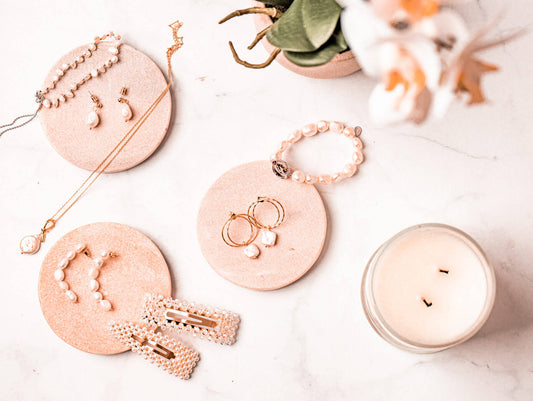




E-commerce backgrounds: choose and use pro backdrops
TL;DR:
- High-quality backgrounds improve product appeal and reduce return rates in e-commerce.
- Choosing the right material and style ensures consistent, professional-looking product photos.
- Strategic background selection and setup boost brand recognition and sales over time.
Most product returns in e-commerce aren’t caused by defective items. They happen because the photos set the wrong expectation. A blurry, cluttered, or poorly lit background can make even a premium product look cheap. And when buyers receive something that doesn’t match what they imagined, they send it back. High-quality backgrounds boost product appeal and reduce returns by giving shoppers an accurate, polished view of what they’re buying. This guide walks you through everything: backdrop materials, selection frameworks, setup tips, and styling strategies. By the end, you’ll know exactly how to use backgrounds to make your products shine.
Table of Contents
- Why backgrounds matter in e-commerce photography
- Essential background materials and styles for e-commerce
- How to select the perfect background for your products
- DIY and pro setup tips: Achieve flawless background results
- What most guides miss: The real-world impact of mastering backgrounds
- Level up your e-commerce photos with Instant Backdrops
- Frequently asked questions
Key Takeaways
| Point | Details |
|---|---|
| Backgrounds boost sales | A carefully chosen backdrop can immediately raise buyer trust and conversion rates. |
| Material choice matters | Vinyl, seamless paper, and textures each impact professionalism and post-processing needs. |
| Consistent setup wins | Systematic selection and setup of backgrounds ensures cohesive, stand-out online stores. |
| DIY with results | Simple tools and careful lighting can make affordable backgrounds look studio-quality. |
Why backgrounds matter in e-commerce photography
Your background is the first thing a shopper’s eye registers, even before the product itself. That split-second impression shapes how they perceive quality, price point, and brand credibility. A clean, well-chosen backdrop signals professionalism. A messy or mismatched one signals carelessness, and that doubt is hard to recover from.
The psychological effect is real. Buyers form opinions in milliseconds. When a background complements your product, it creates visual harmony that feels trustworthy. When it clashes or distracts, shoppers move on. Backgrounds boost sales by improving click-through rates and keeping buyers engaged long enough to make a purchase decision.
“Your background isn’t just a surface. It’s part of your brand’s visual language. Every color, texture, and tone communicates something to your buyer before they read a single word.”
Here are three common mistakes sellers make with backgrounds:
- Distracting elements: Busy patterns, visible props, or cluttered surfaces pull attention away from the product and confuse the viewer.
- Inconsistent branding: Switching between wildly different backgrounds across your product catalog creates a disjointed shopping experience that weakens brand recognition.
- Poor color contrast: Placing a light-colored product on a white background, or a dark item on black, flattens the image and hides important product details.
Backgrounds also play a direct role in reducing return rates. When your photos accurately represent the product’s size, texture, and color, buyers know what to expect. Realistic backgrounds provide context. A ceramic mug photographed on a rustic wood surface gives buyers a sense of scale and style that a plain white background simply can’t match. That context reduces surprises, and fewer surprises mean fewer returns.
Consistent, well-styled backgrounds also build brand recognition over time. Shoppers who see your products repeatedly start to associate a particular visual style with your store. That familiarity builds trust, and trust drives repeat purchases. Treating your background as a branding tool, not just a neutral surface, is one of the smartest moves you can make as an e-commerce seller.
Essential background materials and styles for e-commerce
Choosing the right material is just as important as choosing the right color or texture. Each material behaves differently under light, handles wear differently, and suits different product types. Different materials like vinyl, fabric, and seamless paper each bring unique strengths depending on your workflow and product category.
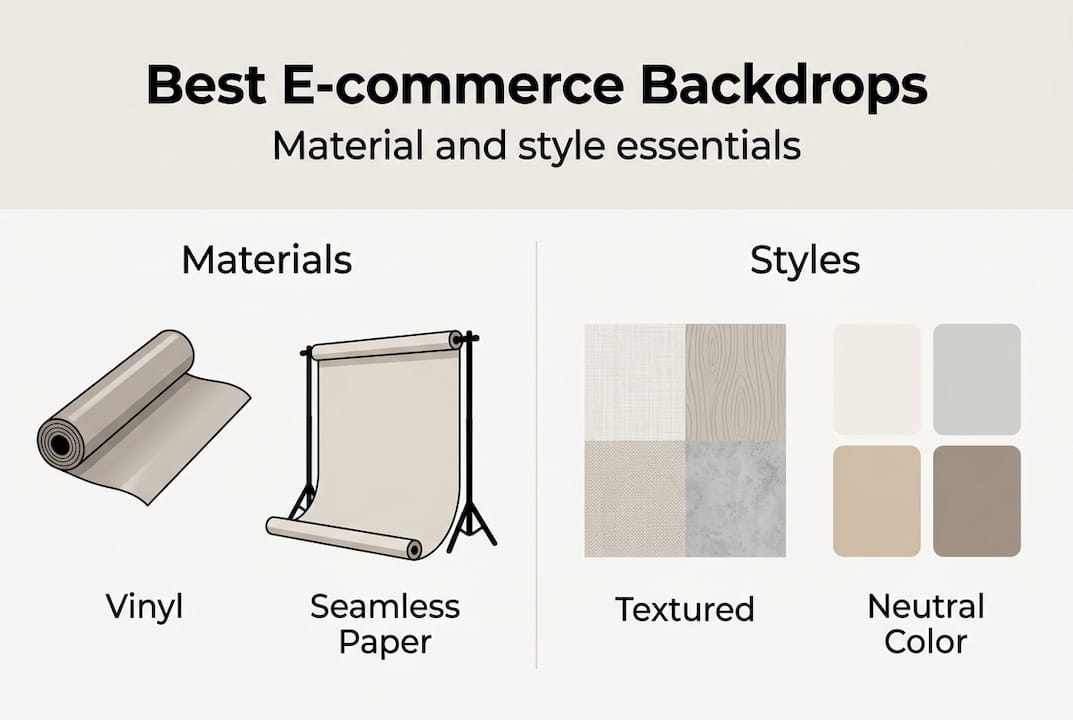
Here’s a clear comparison to help you decide:
| Material | Durability | Cleaning | Portability | Best for |
|---|---|---|---|---|
| Vinyl | High | Wipe clean | Moderate | Food, product, jewelry |
| Fabric | Medium | Machine wash | High | Fashion, lifestyle |
| Seamless paper | Low | Replace roll | High | Studio portraits, flat lays |
| Textured boards | Medium | Spot clean | Low | Flat lay, small products |
Beyond materials, style choices shape the mood of your shoot. Here are the most practical options for e-commerce:
- Minimal white or gray: Clean, distraction-free, ideal for marketplaces like Amazon or Etsy where product focus is everything.
- Realistic textures: Marble, wood, stone, and concrete surfaces add depth and lifestyle context without overwhelming the product.
- Flat lay setups: Overhead shots on textured surfaces work beautifully for food, cosmetics, and accessories.
- Seasonal or themed backgrounds: Great for campaign shoots, holiday promotions, or social media content.
Pro Tip: Don’t limit yourself to one material. Keep a vinyl backdrop for spill-prone food and product shoots, and a fabric or paper roll for lifestyle and fashion content. Mixing materials across your catalog gives you creative flexibility without sacrificing consistency within each product category. Explore photography backdrop ideas for inspiration on combining styles effectively.
Vinyl stands out for e-commerce because it’s spill-proof, easy to clean, and holds vibrant, high-resolution prints that look sharp even in close-up shots. If you’re photographing food, skincare, or jewelry, vinyl is hard to beat. For right backdrop selection guidance tailored to specific product types, it helps to think about your shoot environment and how often you’ll be moving your setup.

How to select the perfect background for your products
Background selection should align with product color, purpose, and intended audience. That sounds simple, but a lot of sellers skip this step and just grab whatever’s nearby. Here’s a practical framework to get it right every time.
- Assess your product’s color and texture. Start by looking at the dominant colors and surface finish of your product. Matte products often need a bit more contrast to show detail. Shiny or reflective items need careful background choices to avoid unwanted glare or color cast.
- Match the backdrop for focus and contrast. Choose a background that creates enough separation between itself and your product. A gold jewelry piece pops beautifully on a dark slate or deep marble surface. A white skincare bottle needs a subtle gray or warm wood tone to stand out.
- Keep branding consistent. Decide on two or three core backgrounds that represent your brand’s aesthetic and stick to them across your catalog. Consistency makes your store look curated and professional.
- Test with sample shots before committing. Take test shots under your actual shoot lighting before a full session. What looks good in person may not translate the same way on camera, especially with color temperature shifts from artificial lighting.
Here’s how this plays out by product type:
- Jewelry: Dark marble, slate, or black velvet textures create contrast and highlight shine.
- Apparel: Neutral linen, soft gray, or lifestyle-inspired wood tones work well for folded or flat lay shots.
- Cosmetics: Marble, pastel concrete, or clean white surfaces keep the focus on packaging and color.
Pro Tip: Always test your backgrounds under the exact lighting you plan to use for the shoot. Natural light and studio strobes render colors very differently. A backdrop that looks warm and neutral under daylight can shift to yellow or cool blue under artificial light. Testing first saves you hours of editing later. See how backdrop transformation results look in practice, and consider the realistic backdrop benefits for products that need lifestyle context.
DIY and pro setup tips: Achieve flawless background results
Proper setup and lighting are critical for clean, sales-driving product photos. Even the best backdrop will underperform if your setup introduces shadows, wrinkles, or color casts. Here’s what you need and how to avoid the most common problems.
Essential gear for a clean setup:
- Backdrop stands or clamps to keep surfaces flat and secure
- Reflectors or foam boards to bounce light and fill shadows
- A sturdy flat surface for flat lay shooting
- Gaffer tape for securing edges without damaging surfaces
- A steamer or iron for fabric backdrops
Common setup errors and quick fixes:
| Problem | Cause | Quick fix |
|---|---|---|
| Harsh shadows | Single light source | Add a reflector or second fill light |
| Wrinkled backdrop | Improper storage | Steam or iron before shooting |
| Color cast | Mixed light sources | Match light temperature or shoot in natural light |
| Uneven background | Poor positioning | Use clamps and check alignment before shooting |
| Reflections on vinyl | Direct overhead light | Angle lights at 45 degrees to the surface |
Pro Tip: You don’t need a full studio to get pro results. A vinyl backdrop laid flat on a table, a window for natural light, and a foam board reflector on the opposite side is a setup that produces clean, sellable images. Budget-friendly doesn’t mean low quality when your core materials are solid. For more creative backdrop setups, it’s worth exploring what other photographers are doing with minimal gear.
On the post-processing side, keep edits honest. Adjust exposure, white balance, and contrast to match what the product actually looks like. Avoid heavy filters or background replacements that make the final product look different from what the buyer will receive. Accurate editing builds trust. Misleading edits create returns.
What most guides miss: The real-world impact of mastering backgrounds
Most e-commerce guides treat backgrounds as a technical checkbox. Pick a neutral color, keep it clean, move on. But that approach leaves serious money on the table.
Here’s what we’ve seen consistently: sellers who treat backgrounds as a strategic brand asset outperform those who treat them as an afterthought. One small shift, like switching from a plain white background to a warm marble surface on a skincare product, can meaningfully change conversion rates. Not because the product changed, but because the perceived value did.
The sellers who win aren’t necessarily the ones with the biggest budgets. They’re the ones who test deliberately. They try two or three backgrounds, measure click-through and conversion data, and iterate. They build a signature visual style that makes their store instantly recognizable.
Thoughtful background choices increase repeat purchases and brand recognition over time. That’s not just a styling tip. It’s a business strategy. Treat your backdrop collection the way you treat your product lineup: with intention, consistency, and a willingness to evolve. The sellers who do this don’t just take better photos. They build stronger brands.
Level up your e-commerce photos with Instant Backdrops
You now have a clear framework for choosing, setting up, and styling backgrounds that actually drive results. The next step is having the right backdrops in your kit.
Shop Instant Backdrops for a full range of pro-grade vinyl backdrops built for e-commerce and product photography. Every backdrop is spill-proof, easy to clean, and printed in high resolution so your close-up shots stay sharp and vibrant. Whether you’re just starting out or refining an established visual brand, there’s a style and size that fits your workflow. From marble and wood to stone and textured walls, the collection covers every product category and aesthetic. Explore bundle deals to stock your studio without overspending, and find the backgrounds that make your products shine.
Frequently asked questions
What is the best material for an e-commerce photography background?
Vinyl and seamless paper are top choices due to their durability, non-reflective surfaces, and easy maintenance. Vinyl is especially practical for food and product photography because it’s spill-proof and wipes clean instantly.
How do I avoid shadows and wrinkles on backgrounds?
Use even lighting from multiple sources, and always steam or iron fabric backdrops before your shoot. Proper setup and lighting prevent the most common distractions that make product photos look unprofessional.
Can I use the same background for multiple product types?
Yes, neutral and textured backgrounds work across a wide variety of products as long as they complement each item’s color and style. Certain backgrounds are flexible enough to serve as your go-to surface for an entire catalog.
How often should I update my e-commerce photography backdrops?
Refresh your backdrops seasonally or whenever you update your brand visuals to stay current and visually appealing. Background updates are key for seasonal campaigns and keeping your store looking fresh to returning shoppers.