




Food Photography Backdrop Importance: Impact on Visual Appeal
Finding a backdrop that truly supports your culinary vision can be a challenge for professional food photographers. The right vinyl backdrop does more than sit behind your dish—it acts as a visual stage that sets mood and highlights texture. When you choose materials wisely, you unlock greater consistency and emotional impact in every shot. Discover how purposeful backdrop selection shapes brand identity, enhances storytelling, and helps your food shine across all social media and e-commerce platforms.
Table of Contents
- Food Backdrops in Photography Defined
- Key Backdrop Types and Materials Explained
- Visual Storytelling and Branding Benefits
- Styling Techniques for Professional Results
- Common Backdrop Mistakes to Avoid
Key Takeaways
| Point | Details |
|---|---|
| Backdrop Selection Matters | Choosing the right backdrop can enhance the story and perception of your food photography, influencing viewer emotions and brand identity. |
| Material Impact | Different backdrop materials bring unique visual qualities; understanding their characteristics can optimize your composition and mood. |
| Consistency Builds Recognition | Consistent backdrop choices across shoots strengthen brand identity and improve audience recall, enhancing visual storytelling. |
| Avoid Common Mistakes | Be mindful of distractions like wrinkles and clashing colors, which can detract from the focal point of your food. |
Food Backdrops in Photography Defined
A food backdrop is the visual stage behind your culinary subject that sets mood, defines style, and elevates the overall composition. It’s not just a random surface—it’s a strategic design choice that transforms an ordinary food shot into a compelling visual story.
Understanding the distinction between backdrop and surface matters for your workflow. A backdrop sits behind your food, beyond the horizon line, while the surface is where the food actually rests. This clarity helps you communicate with clients and make intentional styling choices that complement your subject.
Backdrops serve multiple visual functions:
- Create mood and emotion that resonates with your audience
- Add depth and context to make compositions feel immersive
- Highlight textures and tones that enhance the dish itself
- Define your photographic style and brand identity
- Balance foreground elements without competing for attention
Backdrops can be painted canvases or printed materials that work as a canvas to complement your food. Professional options include marble, wood, stone, and decorative wall designs—each with distinct visual personalities.
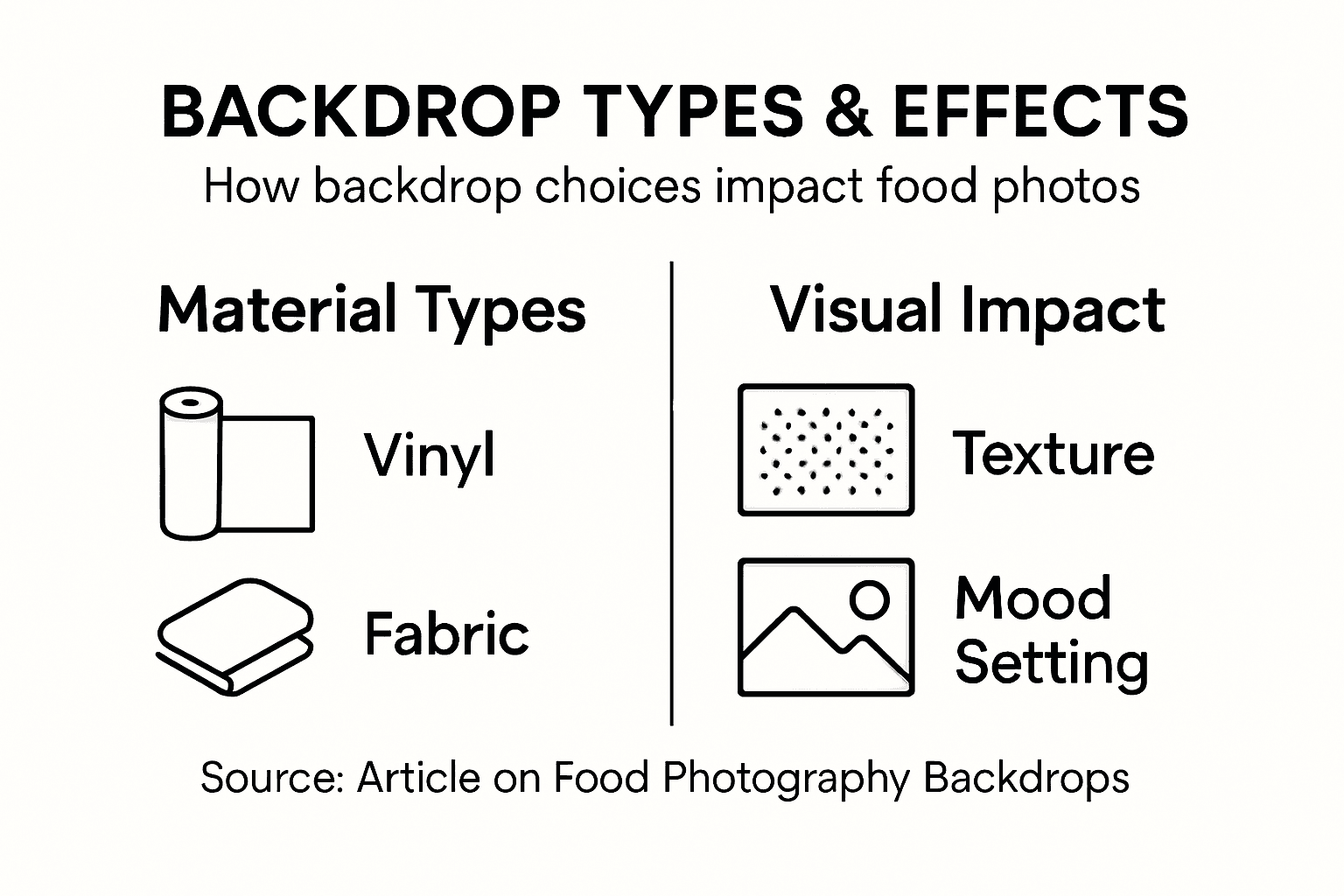
The backdrop you select directly impacts how viewers perceive your food. A rustic wooden backdrop tells a different story than a clean marble surface. A desaturated, aged background feels nostalgic, while bright, vibrant backdrops convey energy and modernity.
Thoughtful backdrop selection adds emotion and depth that transforms a flat image into something visually compelling. Your choice communicates context, season, and culinary tradition all at once. Backdrops in food photography work hardest when they enhance rather than distract from your main subject.
The right backdrop doesn’t overshadow your food—it amplifies its best qualities and draws viewers deeper into your composition.
Consider these key backdrop characteristics:
- Durability for repeated use across multiple shoots
- Stain resistance to handle spills from oils and sauces
- High-resolution printing that holds up during close-up photography
- Portability so you can transport between locations
- Variety in textures and colors to match different culinary styles
Pro tip: Test your backdrop with different lighting angles before committing to a full shoot—shadows and highlights interact differently with textured versus smooth surfaces, changing how your food appears on camera.
Key Backdrop Types and Materials Explained
Backdrop materials range widely, each bringing distinct aesthetics and technical considerations to your food photography. Choosing the right material depends on your lighting setup, food style, and the mood you want to convey to viewers.
Vinyl backdrops are lightweight, portable, and come in endless printed designs. They’re practical for location shoots and studio work, though they can develop wrinkles or reflect light unevenly. Vinyl backdrop materials work best when properly positioned to avoid glare that washes out your food’s colors.
Fabric and muslin options offer soft, draping textures that add visual depth. These materials wrinkle easily, requiring steaming or careful handling between shoots. They excel at diffusing light softly across your composition.
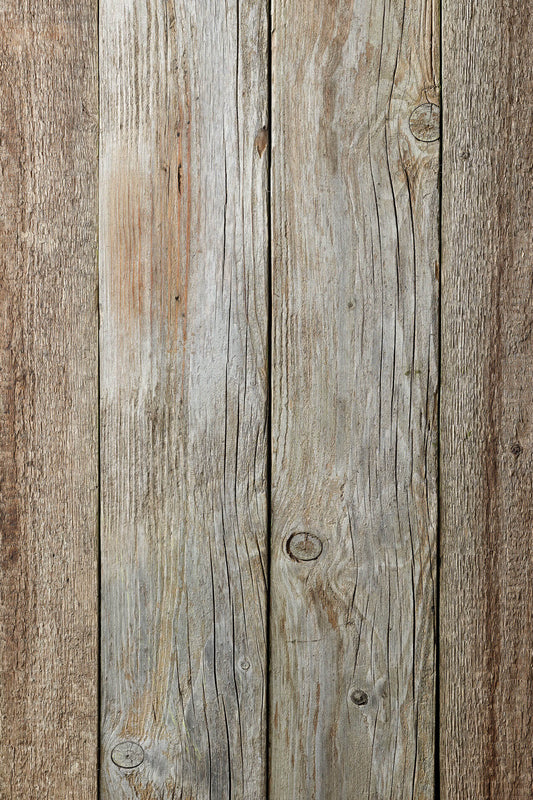
Wood surfaces provide rustic authenticity with natural grain patterns and color variation. Darker woods create moody, warm atmospheres, while lighter woods feel airy and fresh. Wood requires sealing to protect against stains and spills from food styling.
Other professional options include:
- Plaster surfaces for minimalist, textured looks
- Acrylic for seamless, reflective finishes
- Painted backdrops offering complete color control
- Stone textures for sophisticated, earthy appeal
- Natural textures like slate or concrete for industrial vibes
Each material presents distinct technical challenges. Matte finishes reduce glare while textured surfaces add visual interest but demand careful lighting to avoid harsh shadows.
Consider these practical factors when selecting materials:
- Light reflection matters—matte finishes prevent glare, glossy surfaces create drama
- Durability ensures your backdrop survives oils, sauces, and repeated shoots
- Maintenance affects your workflow—some materials stain easily, others clean instantly
- Portability influences your ability to shoot on location versus in studio
- Size impacts how closely you can frame your food without seeing the edges
The best backdrop isn’t the most expensive or aesthetically impressive—it’s the one that allows your food to shine while fitting your actual workflow.
Pro tip: Test any new backdrop material with your typical lighting setup before committing to a full shoot day—the same backdrop behaves completely differently under natural light versus studio lights, dramatically changing how your food appears on camera.
Here’s a quick comparison of popular food backdrop materials and their ideal uses:
| Material Type | Best For | Key Strength | Common Drawback |
|---|---|---|---|
| Vinyl | Versatile shoots | Lightweight and portable | Can become wrinkled |
| Fabric/Muslin | Soft, moody images | Adds gentle texture | Wrinkles easily |
| Wood | Rustic, homestyle dishes | Natural look & warmth | Susceptible to stains |
| Acrylic | Modern, high-shine photos | Seamless, reflective finish | Shows fingerprints |
| Stone/Slate | Upscale, earthy scenes | Sophisticated texture | Heavy and less portable |
| Plaster | Minimalist compositions | Subtle, neutral tones | Can chip or crack |
Visual Storytelling and Branding Benefits
Your backdrop choices communicate directly to viewers, shaping how they perceive your food and your brand. The right backdrop transforms a simple product shot into a compelling narrative that resonates emotionally and builds lasting brand recognition.
Visual storytelling uses lighting, composition, and color to create images that connect with audiences on a deeper level. When your backdrop supports this narrative, viewers feel invited into the culinary experience rather than simply observing a product.
Consistent backdrop choices strengthen brand identity across all your content. Audiences begin to recognize your work instantly—a marble surface paired with your signature lighting becomes distinctly yours. Visual storytelling in food photography builds this recognition through cohesive, intentional design choices that feel authentic to your culinary vision.
Your backdrop influences perceived value in measurable ways. Professional, well-curated backgrounds make food appear more desirable and premium. Viewers subconsciously assess quality based on the entire composition, not just the dish itself.
Backdrop choices drive specific emotional responses:
- Rustic wood evokes warmth, tradition, and home cooking
- Marble suggests sophistication, luxury, and fine dining
- Muted, desaturated tones create calm, wellness-focused narratives
- Vibrant, colorful backdrops convey energy and playfulness
- Minimal backgrounds emphasize the food as the hero
Well-crafted food images increase perceived product value and influence consumer behavior directly. When backdrops align with your brand narrative, they strengthen visual identity and drive purchase intention through compelling imagery that feels authentic to your culinary story.
Think about what story you’re telling with each shoot. Are you showcasing sustainable, farm-to-table cooking? Choose weathered wood or stone. Targeting health-conscious audiences? Clean, bright backdrops with white space communicate wellness. Celebrating indulgence? Rich, textured backgrounds create luxurious appeal.
Your backdrop isn’t decoration—it’s a storytelling tool that amplifies your brand message and makes viewers feel something.
Backdrop consistency across your content feeds algorithms and human psychology. Social media platforms reward visual consistency, while viewers develop instant brand recognition when your aesthetic remains cohesive.
The following table summarizes how backdrop color choices affect perception in food photography:
| Backdrop Color/Style | Conveys | Example Dishes |
|---|---|---|
| Rustic Wood | Warmth, tradition | Breads, stews, pies |
| Marble | Luxury, freshness | Pastries, salads, seafood |
| Bright Vibrant | Energy, playfulness | Smoothies, desserts, fresh fruit |
| Muted/Desaturated | Calm, wellness | Grain bowls, plant-based meals |
| Minimal White | Clean, modern | Sushi, minimalist plating |
Pro tip: Create a mood board showing your backdrop, lighting style, and color palette choices, then stick to these elements across at least 10-15 posts before evaluating results—consistency compounds recognition over time, and algorithm changes reward visual coherence.
Styling Techniques for Professional Results
Professional food styling isn’t about making food look artificial—it’s about enhancing what’s already there and letting your backdrop amplify the appeal. The best styling works invisibly, guiding viewers’ eyes exactly where you want them to go.
Start with your backdrop as the foundation. Choose a complementary background before you arrange anything else on set. Your backdrop determines your color palette, lighting approach, and prop selection. Everything else flows from this initial decision.
Prop selection makes or breaks a composition. Professional stylists use complementary backgrounds and props to enhance visual appeal without overshadowing the food. Keep props simple and neutral—avoid competing textures or bold colors that distract from your dish.
Arrangement matters more than perfection. Food that looks freshly plated feels authentic and appetizing. Slightly imperfect placement reads as real cooking, not sterile product photography.
Key styling techniques include:
- Use color contrast to make food pop against your backdrop
- Play with negative space to give compositions breathing room
- Layer textures through props and backdrop choices
- Position depth by placing elements at different distances from camera
- Add movement through angled placement or suggested action
Lighting control transforms everything. Soft, directional light shows food texture beautifully while your backdrop supports the mood. Hard shadows create drama, while diffused light feels gentle and inviting.
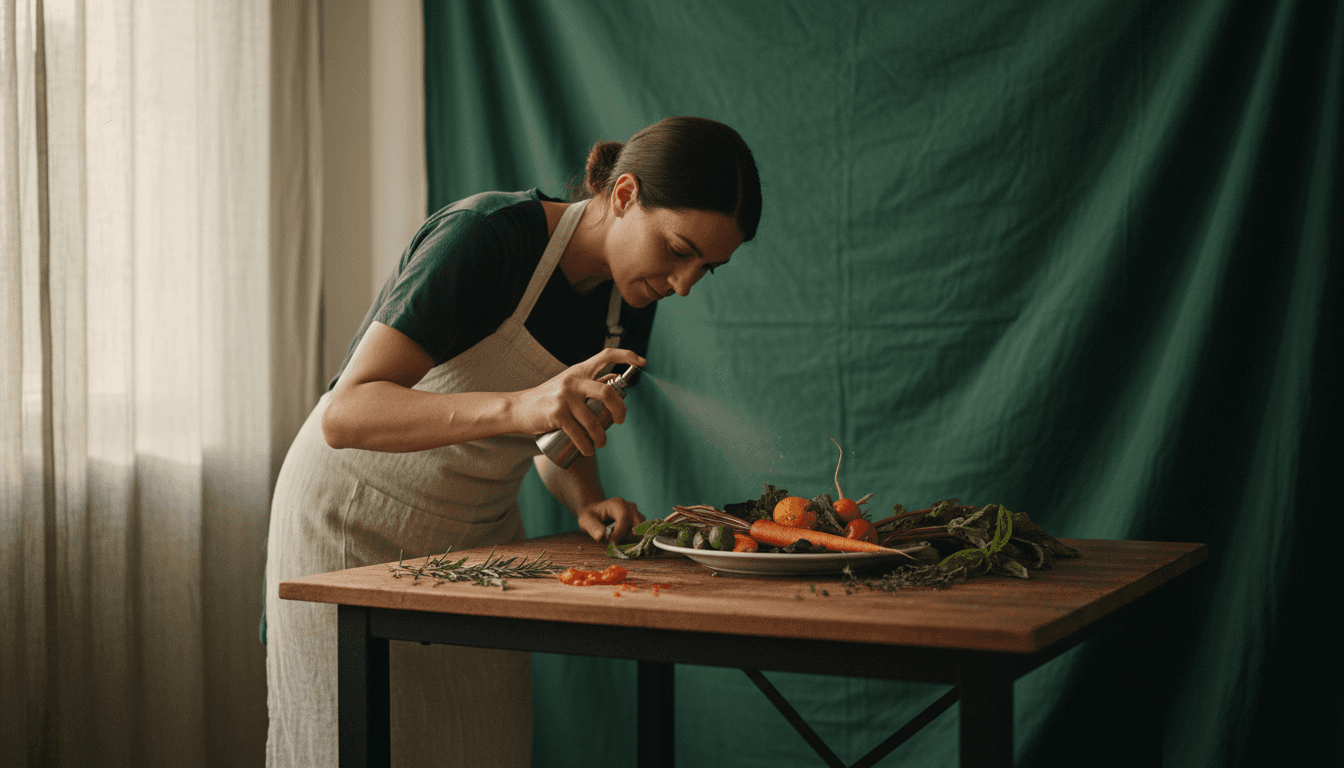
Food styling for photography involves careful selection of props, precise arrangement of food, and attention to lighting to make dishes visually compelling. Professional stylists use specialized tools—tweezers for herb placement, brushes for finishing touches, spray bottles for freshness—to perfect every detail.
Balance is critical. Your backdrop should enhance without competing. Your props should support without crowding. Your food should be the undeniable hero of every frame.
Styling is the art of telling a food story through visual detail—every element serves the narrative, nothing exists by accident.
Consider this sequence for every shoot:
- Select and position your backdrop
- Set up lighting to complement the backdrop
- Choose supporting props that enhance, not compete
- Arrange food with intentional placement
- Fine-tune details with professional styling tools
- Step back and assess the entire composition
Pro tip: Keep tweezers, soft brushes, and a spray bottle on set at all times—they let you make micro-adjustments to herb placement, remove dust, and add shine or freshness in seconds without restyling the entire plate.
Common Backdrop Mistakes to Avoid
Backdrop mistakes undermine even perfectly styled food and professional lighting. The wrong choice can distract viewers, diminish appetite appeal, and damage your brand consistency across shoots.
Wrinkled backdrops are the most obvious problem. A backdrop with visible creases or folds pulls attention away from your food and screams amateur photography. Professional setups demand smooth, pristine surfaces that look intentional, not hastily assembled.
Distracting backdrop details compete with your food for attention. Busy patterns, conflicting colors, or overwhelming textures force viewers to process too much visual information at once. Your food should be the clear focal point, not a supporting actor in a chaotic scene.
Backdrops with wrinkles or distracting details can divert attention from the food and diminish overall image quality. Smooth, minimalist backgrounds help maintain focus exactly where it belongs—on your dish.
Other common backdrop mistakes include:
- Choosing colors that clash with your food’s natural tones
- Selecting backdrops too similar to your food, creating visual confusion
- Using materials that reflect unwanted glare and bright spots
- Picking surfaces that stain easily and look worn after one shoot
- Going too textured when your food needs a clean canvas
Scale mismatches create composition problems. A backdrop that’s too small forces awkward cropping. Too large, and you can’t fill the frame without backing up uncomfortably far from your subject.
Material quality matters more than you think. Cheap vinyl shows wrinkles stubbornly. Thin fabrics tear easily and don’t hang smoothly. Unprepared wood absorbs spills and stains permanently. Investing in professional-grade materials eliminates these headaches completely.
Under-preparing your backdrop guarantees frustration. Wrinkled fabrics need steaming before shoots. Wood surfaces need sealing beforehand. Vinyl requires careful storage to prevent permanent creases. Arriving on set with an unprepared backdrop wastes shoot time and compromises image quality.
Your backdrop should disappear into the composition, supporting your food without demanding attention—viewers should never notice it’s there.
Common preparation oversights:
- Failing to steam or press fabric backdrops the night before
- Skipping protective sealing on wood surfaces
- Not testing lighting on your backdrop before the full shoot
- Storing backdrops improperly, creating permanent wrinkles
- Choosing backdrops mismatched to your actual studio lighting conditions
Pro tip: Steam fabric backdrops vertically and hang them for 24 hours before shooting—this eliminates wrinkles completely and prevents new ones from forming during setup and transport.
Elevate Your Food Photography With the Perfect Backdrop
Finding the right backdrop is a crucial step in overcoming common challenges like distracting surfaces, unwanted glare, and misaligned brand storytelling. This article highlights how backdrops shape mood, define style, and amplify your food’s visual appeal. If you want a reliable, vibrant solution that withstands spills, wrinkles, and lighting variations, exploring high-quality vinyl options is key.
Instant Backdrops offers an extensive range of durable, stain-resistant backdrops designed specifically to support professional food photography’s demands. From natural textures like stone in our Stone backdrops collection for product & food photography – Instant Backdrops to versatile options covering many styles in our All product photography backdrops – Instant Backdrops, every backdrop is crafted to enhance your storytelling without overpowering your subject.
Don’t let backdrop issues hold back your creativity or brand consistency. Visit Instant Backdrops now to find the perfect backdrop that complements your food styling, supports your lighting setup, and elevates your visual content to the next level. Act today and transform your food images into unforgettable stories that truly engage your audience.
Frequently Asked Questions
What is a food backdrop in photography?
A food backdrop is the visual stage behind your culinary subject that sets the mood, defines style, and enhances the overall composition of your food photography. It contrasts with the surface where the food is placed, helping to create a compelling image that tells a story.
How does the backdrop affect the perceived quality of food photography?
The backdrop significantly influences the perceived value of food. A well-chosen backdrop enhances the dish’s appeal and communicates context, seasonality, and culinary tradition, making the food look more desirable and premium to viewers.
What materials are commonly used for food photography backdrops?
Common materials for food photography backdrops include vinyl for its portability, fabric for its soft texture, wood for a rustic feel, acrylic for a modern shine, and stone for an earthy appeal. Each material brings unique aesthetics and technical considerations to food photography.
What are some common mistakes to avoid when selecting a food backdrop?
Common mistakes include choosing wrinkled or distracting backdrops, selecting colors that clash with the food, using materials that reflect unwanted glare, and under-preparing backdrops. These errors can divert attention from the food and impact the overall image quality.