



Mastering backdrop in jewelry shoots for stunning visuals
Most photographers assume backdrops are just simple backgrounds, but they’re actually powerful storytelling tools that make or break jewelry photography. The right backdrop enhances sparkle, directs focus, and elevates your brand narrative while poor choices create distractions that diminish even the most exquisite pieces. This guide reveals how professional photographers leverage backdrops to transform ordinary jewelry shots into captivating visual stories that sell.
Table of Contents
- Key takeaways
- Why backdrops are essential in jewelry photography
- Types of backdrops and material considerations for jewelry shoots
- How to use backdrops effectively to enhance jewelry storytelling and focus
- Common pitfalls and advanced tips for professional backdrop use in jewelry photography
- Discover professional backdrops tailored for jewelry photography
- Frequently asked questions about backdrops in jewelry shoots
Key Takeaways
| Point | Details |
|---|---|
| Backdrops center attention | Backdrops are used to guide the viewer toward the jewelry by providing minimalism, contrast, and texture that enhance sparkle and detail without distraction. |
| Contrast boosts sparkle | Choosing backdrop colors and tones that contrast with gemstones and metals makes facets shine and pieces pop under lighting. |
| Texture supports storytelling | Texture such as wood grain or marble adds mood and brand meaning without competing with the jewelry. |
| Choose material wisely | Vinyl is durable and easy to clean though it can create reflections, fabric diffuses light and adds softness but wrinkles easily, and paper keeps costs down but limits versatility. |
Why backdrops are essential in jewelry photography
Backdrops serve as the foundation for exceptional jewelry photography by creating a controlled visual environment. When shooting rings, necklaces, or earrings, every element competing for attention reduces the jewelry’s impact. Backdrops in jewelry photography primarily serve to keep focus on the jewelry by providing minimalism, enhancing contrast, sparkle, and detail without distraction, while also enabling storytelling through textures or gradients.
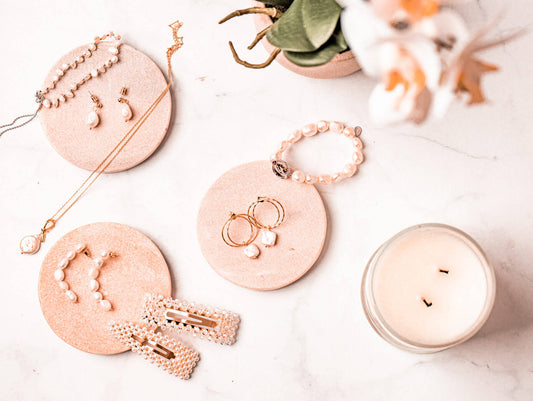
Contrast between jewelry and backdrop determines how effectively gemstones catch light and metals pop. A diamond ring photographed against a similar-toned backdrop loses definition, while strategic contrast makes facets sparkle and details shine. This principle applies across all jewelry types, from delicate gold chains to bold statement pieces.
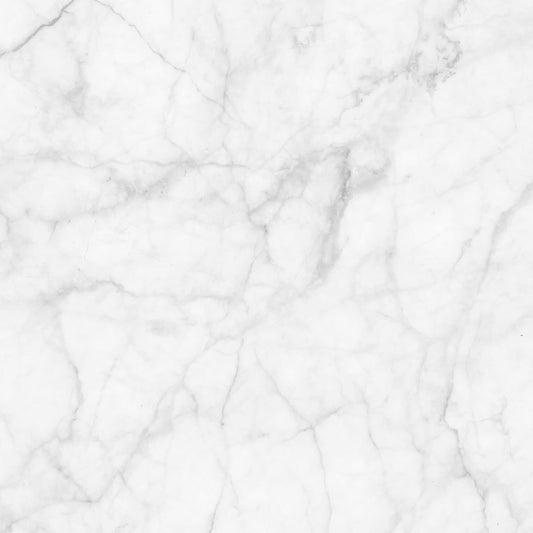
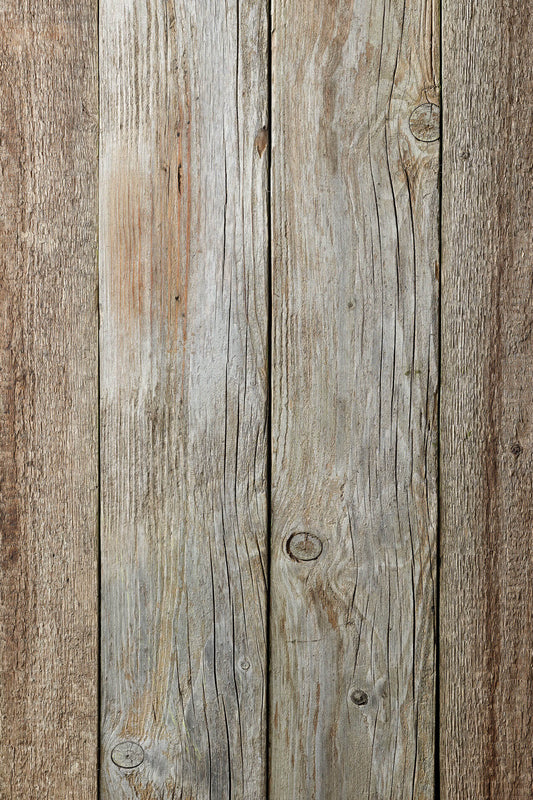
Texture adds another dimension to your storytelling. Subtle wood grain suggests craftsmanship and natural beauty, while smooth marble communicates luxury and elegance. These visual cues reinforce your brand message without words. The key lies in balancing enhancement with restraint so the backdrop supports rather than competes.
Professional backdrops for jewelry photography boost quality by providing consistent results across shoots. When clients expect cohesive brand imagery, reliable backdrops deliver that consistency. Consider these essential functions:
- Directing viewer attention exclusively to jewelry details and design elements
- Amplifying light reflection to showcase gemstone brilliance and metal finish
- Establishing mood and context that aligns with brand positioning
- Creating depth perception that makes jewelry appear dimensional rather than flat
“The backdrop you choose becomes an invisible collaborator in your visual story, either elevating the jewelry’s presence or diminishing its impact through poor contrast or distracting elements.”
Effective backdrop selection requires understanding how different colors, textures, and materials interact with jewelry under various lighting conditions. White backdrops offer clean simplicity but can wash out pale metals. Black creates dramatic contrast but may overwhelm delicate pieces. Neutral tones provide versatility while colored backdrops make bold statements when used strategically.
Types of backdrops and material considerations for jewelry shoots
Material selection dramatically affects both shooting experience and final image quality. Each backdrop type brings distinct advantages and limitations that impact your workflow and results.
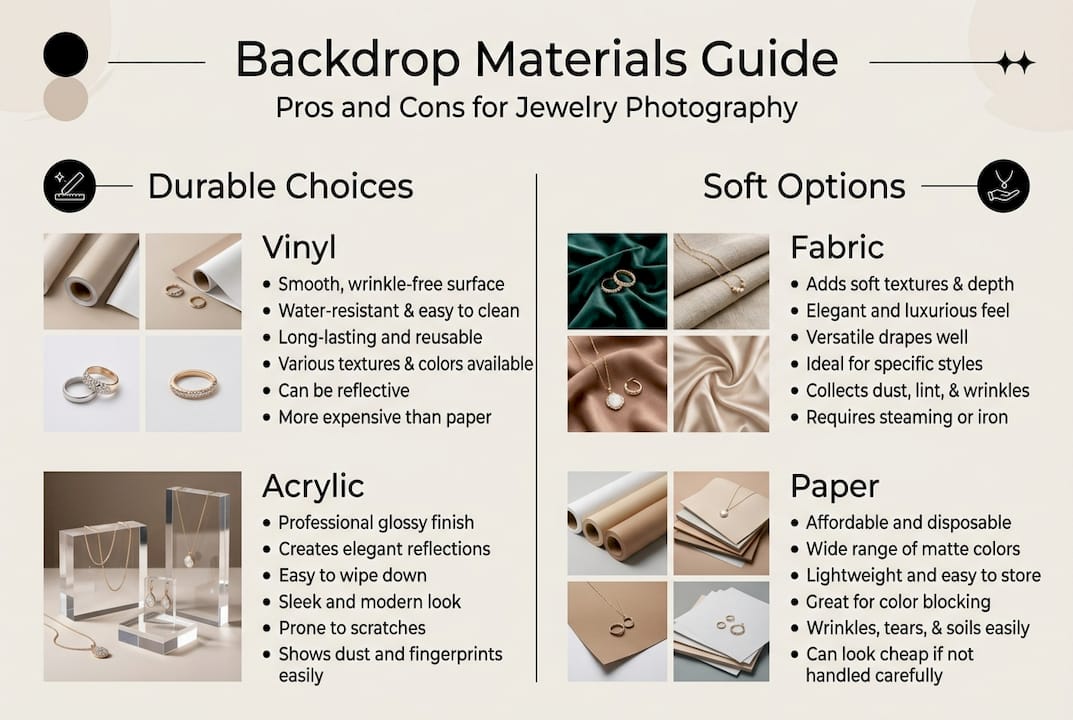
Vinyl backdrops dominate professional studios because they combine durability with easy maintenance. These backdrop materials for professional photography resist stains, wipe clean quickly, and maintain their appearance through hundreds of shoots. The downside appears in lighting setups where vinyl’s smooth surface can create unwanted reflections requiring careful angle adjustments.
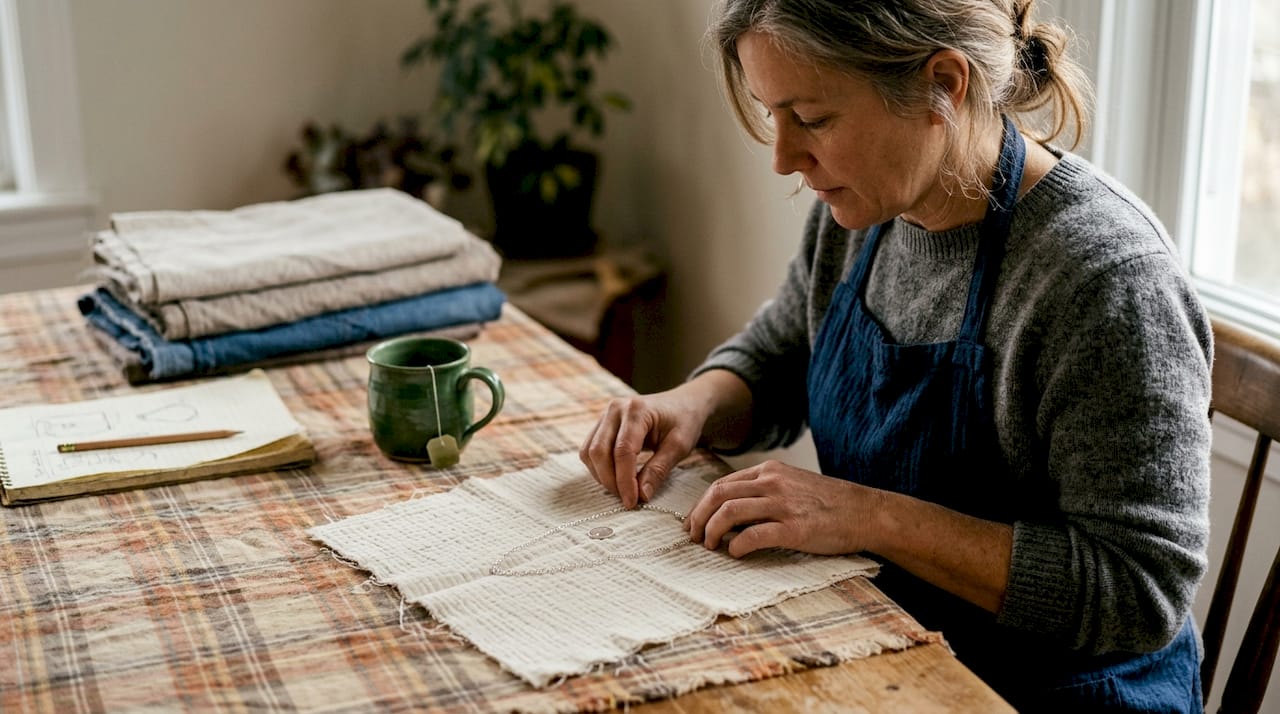
Fabric backdrops offer beautiful texture and light diffusion that creates soft, romantic jewelry presentations. Muslin and canvas provide natural-looking backgrounds perfect for artisan jewelry or vintage pieces. However, fabric wrinkles easily, requires ironing or steaming before shoots, and absorbs spills that become permanent stains.
Paper backdrops appeal to budget-conscious photographers starting out. They provide smooth, seamless backgrounds in countless colors at low cost. The tradeoff comes in fragility since paper tears easily, shows wear quickly, and cannot withstand any moisture or cleaning attempts.
Acrylic and glass backdrops create stunning reflective surfaces ideal for modern, minimalist jewelry photography. These materials produce mirror-like reflections that add sophistication but demand precise lighting control to avoid glare and unwanted reflections that distract from the jewelry.
| Material | Durability | Maintenance | Best For | Price Range |
|---|---|---|---|---|
| Vinyl | Excellent | Easy wipe clean | High-volume studios | $$ |
| Fabric | Good | Requires laundering | Textured storytelling | $ |
| Paper | Poor | Single-use | Budget shoots | $ |
| Acrylic | Excellent | Streak-prone cleaning | Modern aesthetics | $$$ |
Pro Tip: Test new backdrop materials with your typical lighting setup before important shoots. Photograph a sample piece to identify reflection issues, color accuracy, and texture appearance under your studio conditions.
Your photography style should guide material choice. High-volume product photographers benefit from vinyl’s durability and quick turnaround. Editorial shooters might prefer fabric’s organic texture. Understanding how to choose right backdrop professional photography involves matching material properties to your specific shooting demands and client expectations.
How to use backdrops effectively to enhance jewelry storytelling and focus
Setup technique separates amateur jewelry photos from professional portfolio pieces. Strategic backdrop positioning and styling choices determine whether your jewelry commands attention or gets lost in visual noise.
Color selection forms your first critical decision. Neutral tones like white, gray, and beige provide versatile foundations that work across jewelry types. These colors let gemstones and metals define the visual palette. Brand-appropriate colors reinforce identity when shooting for specific collections or campaigns.
Contrast manipulation highlights jewelry features most effectively. Dark backdrops make silver and white gold pop while showcasing diamond brilliance. Light backgrounds complement yellow gold and warm gemstones. Jewelry photography step by step background setups demonstrates how careful backdrop setup keeps attention on jewelry pieces while supporting storytelling through style and texture.
Follow these steps for optimal backdrop setup:
- Position your backdrop to eliminate wrinkles, creases, or visible edges that create distractions in frame
- Adjust lighting angles to minimize unwanted reflections while maximizing jewelry sparkle and dimension
- Test contrast by photographing a sample piece and reviewing how details appear in the final image
- Incorporate subtle texture or gradient only when it enhances rather than competes with jewelry design
- Maintain consistent backdrop distance across shoots to ensure uniform depth of field and lighting effects
- Clean backdrops between shoots to prevent dust, fingerprints, or residue from appearing in close-up shots
Texture integration requires restraint. Subtle wood grain adds warmth to artisan jewelry while smooth marble suggests luxury for high-end pieces. The texture should whisper context rather than shout for attention. When viewers notice the backdrop before the jewelry, you’ve crossed from enhancement into distraction.
Lighting control becomes crucial with different backdrop materials. Reflective surfaces require diffused lighting or careful angle adjustments to prevent hotspots. Textured backdrops benefit from directional lighting that emphasizes depth without creating harsh shadows on the jewelry.
Pro Tip: Create a backdrop reference guide documenting which materials and colors work best for different jewelry types in your inventory. This speeds up setup decisions and ensures consistent results across shoots.
Regular maintenance preserves professional appearance and extends backdrop lifespan. Vinyl backdrops need gentle cleaning with appropriate solutions. Fabric requires proper storage to prevent wrinkles. These essential photography backdrop tips help maintain studio-quality results over time.
Common pitfalls and advanced tips for professional backdrop use in jewelry photography
Even experienced photographers make backdrop mistakes that undermine otherwise excellent jewelry shots. Recognizing these errors helps you avoid them and elevate your work.
Overly bright or reflective backdrops create the most common problem. White backdrops under intense lighting can blow out details and create harsh glare on metal surfaces. This issue intensifies with highly polished jewelry where every light source reflects visibly. The solution involves dimming lights, using diffusers, or switching to off-white tones that provide contrast without excessive brightness.
Neglecting backdrop maintenance shows immediately in professional work. Wrinkles cast shadows that distract from jewelry. Stains and damage visible in shots signal amateur work to clients. Professional jewelry photographers benefit from expert backdrop advice to avoid common errors and leverage best practices.
Mismatched backdrop styles weaken storytelling impact significantly. Rustic wood backdrops clash with ultra-modern geometric jewelry. Busy patterns overwhelm delicate pieces. Your backdrop choice should align with the jewelry’s design language and intended market positioning.
Avoid these frequent mistakes:
- Using backdrops with visible seams or edges that appear in frame and break visual immersion
- Selecting colors that create insufficient contrast, making jewelry blend into the background
- Ignoring how backdrop texture interacts with depth of field, creating competing focal points
- Failing to test lighting setups with new backdrops before client shoots
“The backdrop’s job is to disappear while simultaneously making the jewelry impossible to ignore. This paradox defines professional jewelry photography.”
Advanced techniques separate good jewelry photography from exceptional work. Testing lighting combinations with each backdrop before shoots prevents surprises and wasted time. Use clamps or weights to ensure perfectly smooth surfaces free from wrinkles or curves that distort perspective.
Versatile backdrop colors expand creative options without requiring extensive inventory. Gray backdrops work across jewelry types and styles. Neutral beige complements warm and cool tones equally. Building a core collection of adaptable backdrops provides flexibility while maintaining budget control.
| Common Error | Impact | Solution |
|---|---|---|
| Excessive reflection | Distracts from jewelry details | Adjust lighting angles or use diffusers |
| Poor contrast | Jewelry lacks visual pop | Choose opposing tones on color wheel |
| Visible damage | Appears unprofessional | Inspect and maintain backdrops regularly |
| Wrong texture scale | Overwhelms small pieces | Match texture size to jewelry scale |
Pro Tip: Photograph a standard test piece on each new backdrop under your typical lighting setup. Build a reference library showing how different materials and colors render with your equipment and style.
Proper storage extends backdrop lifespan significantly. Roll vinyl backdrops rather than folding to prevent permanent creases. Store fabric backdrops hanging or loosely rolled in breathable containers. Keep all backdrops away from moisture, direct sunlight, and extreme temperatures that degrade materials over time.
Discover professional backdrops tailored for jewelry photography
Elevating your jewelry photography requires backdrops engineered specifically for product and jewelry work. Instant Backdrops offers professional-grade solutions designed to enhance focus, amplify sparkle, and support your brand storytelling. These durable, high-quality materials withstand the demands of busy studios while maintaining pristine appearance shoot after shoot.
Our vinyl backdrops provide the perfect balance of visual appeal and practical durability. Easy setup and maintenance mean less time preparing and more time shooting. Whether you’re capturing delicate rings or bold statement necklaces, the right backdrop transforms good photos into portfolio-worthy images. Explore how backdrops for jewelry photography boost quality and discover options that align with your creative vision and professional standards.
Frequently asked questions about backdrops in jewelry shoots
What is the best backdrop color to use for jewelry photography?
Neutral colors like white, gray, and beige offer the most versatility across jewelry types. Dark backdrops create dramatic contrast for silver and diamonds, while lighter tones complement gold and warm gemstones. Choose based on the specific piece and desired mood.
How do I avoid reflections on my jewelry caused by backdrops?
Adjust your lighting angles to redirect reflections away from the camera. Use diffusers to soften light sources and reduce harsh reflections on both jewelry and backdrop surfaces. Matte backdrop finishes typically create fewer reflection issues than glossy materials.
Can textured backdrops enhance jewelry photos without distracting?
Yes, when texture scale matches jewelry size and remains subtle. Fine textures work well for small pieces while bolder patterns suit larger statement jewelry. Keep texture contrast low so it adds depth without competing for attention.
How do I maintain my backdrops for long-term use?
Clean vinyl backdrops with gentle solutions and soft cloths after each use. Store all backdrops rolled rather than folded to prevent permanent creases. Keep them in cool, dry locations away from direct sunlight that can fade colors over time.
What materials offer the best durability for jewelry shoot backdrops?
Vinyl backdrops provide excellent durability, resisting stains and tears while maintaining appearance through hundreds of shoots. Acrylic also offers longevity but requires more careful handling and cleaning to prevent scratches and streaks.