






Why choose ultra-realistic backgrounds for standout photography
TL;DR:
- Ultra-realistic backgrounds enhance product realism and boost buyer trust through authentic textures.
- Vinyl backdrops offer durability, easy cleaning, and workflow efficiency, reducing post-processing time.
- They are ideal for high-volume, food, and e-commerce photography, supporting brand storytelling and professionalism.
Many photographers assume any backdrop will work for professional images. That assumption quietly costs you hours of retouching time and, more critically, your product’s perceived quality. The backdrop you choose shapes how buyers feel about what they see. A poor background pulls attention away from the product. An ultra-realistic one makes the product feel like it belongs in a premium editorial spread. This guide breaks down why ultra-realistic backgrounds outperform standard options, how they compare to fabric and paper alternatives, and when they make the most business sense for photographers and sellers alike.
Table of Contents
- The visual impact of ultra-realistic backgrounds
- Ultra-realistic vinyl vs. traditional backdrop materials
- Time-saving and workflow benefits for professionals
- When should you choose ultra-realistic backgrounds?
- A photographer’s perspective: What most guides overlook about ultra-realistic backgrounds
- Find your perfect ultra-realistic backdrop solution
- Frequently asked questions
Key Takeaways
| Point | Details |
|---|---|
| Enhance realism | Ultra-realistic backgrounds create lifelike presentations that build trust and visual impact. |
| Save editing time | Vinyl backdrops minimize post-processing, helping you deliver faster results. |
| Durable and easy to clean | Vinyl’s surface resists stains and wipes clean for efficient, repeated use. |
| Best for e-commerce | Consistent, high-quality backgrounds support product sales and make your listings stand out. |
The visual impact of ultra-realistic backgrounds
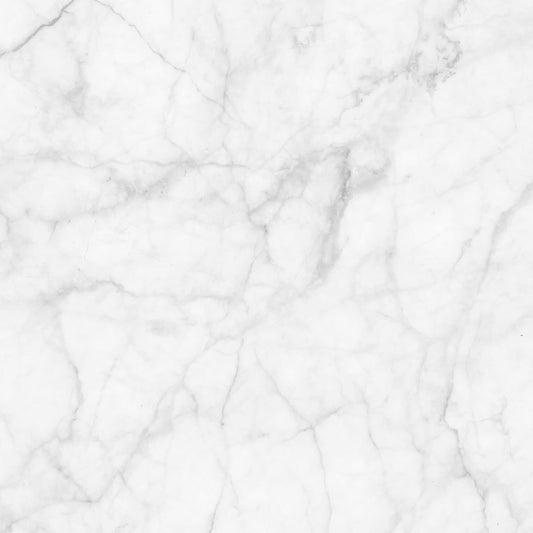
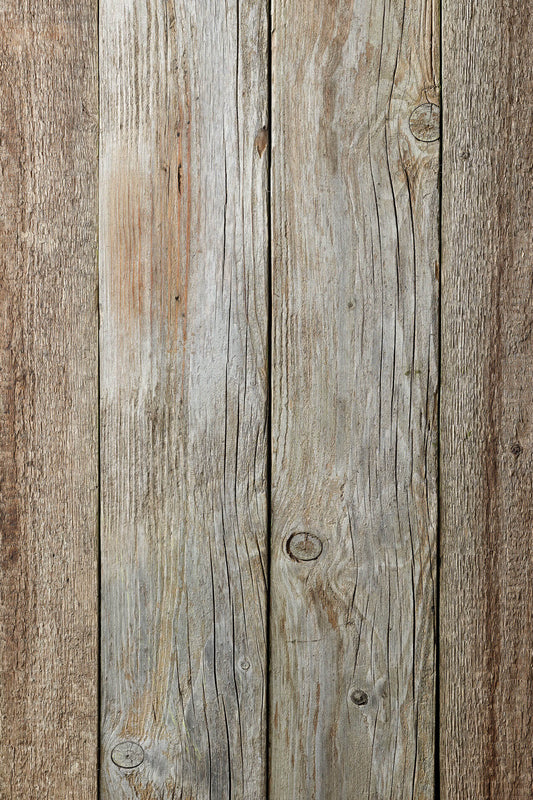
First impressions form fast. Buyers scrolling through an e-commerce page make split-second judgments, and your background is part of that judgment. Ultra-realistic backgrounds mimic natural textures like weathered wood, polished marble, aged stone, and painted plaster so convincingly that viewers process the image as genuine without questioning it. That instant credibility transfers directly to your product.
When a backdrop reads as authentic, it does something valuable: it removes visual friction. The viewer does not stop to notice the background. Their attention goes straight to what you are selling. That is exactly where you want it.
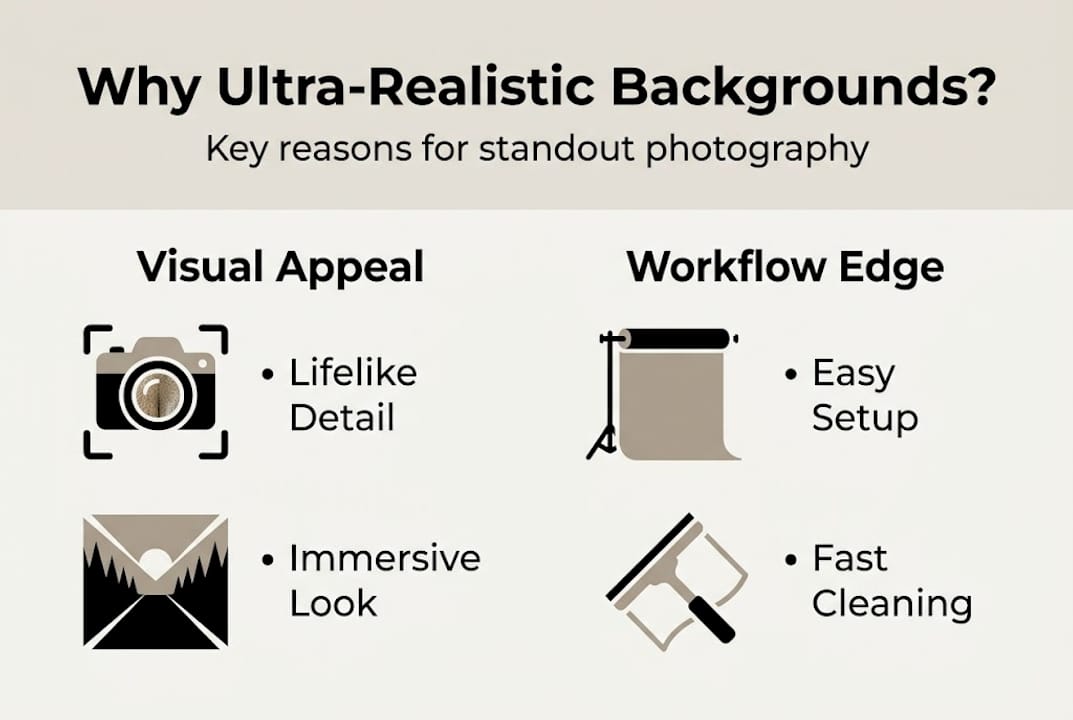
The impact of realistic backdrops on buyer perception is well documented among product photographers who have switched from solid colors and simple gradients to textured, scene-based surfaces. The shift is often described as going from “product on a table” to “product in a world.” That context sells.
From a production standpoint, ultra-realistic vinyl backgrounds enhance product realism and save post-production time by reducing the need for digital corrections. When the texture already looks real, you are not spending time in Lightroom inventing depth or adding grain overlays.
Here is what ultra-realistic backgrounds do better than generic options:
- Create immediate visual context that supports brand storytelling
- Draw the viewer’s eye to the product, not the setup
- Reduce digital manipulation required in post-processing
- Deliver consistent results across multiple shooting sessions
- Support close-up photography without revealing artificial detail
Food photographers benefit especially from this realism. Pairing a dish with a surface that mirrors a real kitchen counter or a rustic wooden table creates appetite appeal without elaborate set dressing. For food photography background tips, texture and tone together carry the visual weight that a food stylist would otherwise create manually.
“A background that looks real makes the product look real. That is not a small detail. It is the foundation of believable product photography.”
When the foundation is solid, everything else in the frame reads with more authority.
Ultra-realistic vinyl vs. traditional backdrop materials
Now that you see the effect on visuals, it is essential to choose the right material for your workflow and clients. Each backdrop material brings its own strengths and real trade-offs.
| Material | Durability | Ease of cleaning | Reflection risk | Realistic texture |
|---|---|---|---|---|
| Ultra-realistic vinyl | High | Very easy (wipe clean) | Low to moderate | Excellent |
| Fabric | Moderate | Difficult (stains set) | Very low | Moderate |
| Seamless paper | Low | Not cleanable | Very low | Limited |
| Standard vinyl | High | Easy | Moderate | Basic |
Fabric has loyal fans for good reason. 78% of indoor photographers prefer fabric for non-reflectivity, while vinyl excels in durability and cleaning. Fabric folds compactly and creates a naturally soft, matte surface. But fabric absorbs spills, retains stains, and often requires color correction in post when the material shifts tone under different lighting conditions.
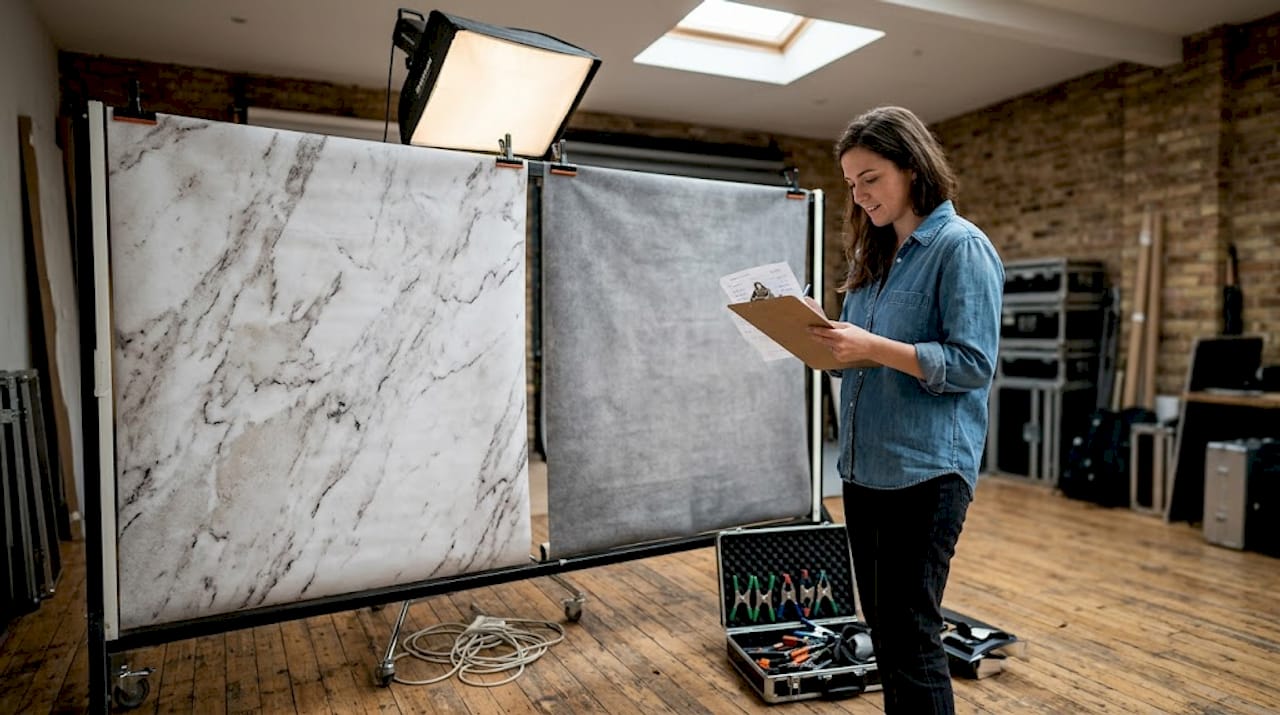
Seamless paper is the budget staple. It is inexpensive, widely available, and works beautifully for clean studio portraiture. The downside is fragility. One scuff, one spill, one crease, and you are cutting and rolling out a fresh section. For high-volume product shoots, this adds both cost and time.
For a thorough backdrop material comparison, the conclusion that most working photographers reach is straightforward: ultra-realistic vinyl combines the visual fidelity of a real surface with the practical advantages of a wipeable, durable sheet. You get both aesthetics and function without compromise.
Pro Tip: If you shoot food or any product that involves liquid, oil, or pigment, vinyl is the only material that lets you clean up between takes without swapping out your entire setup. That speed matters on a paid shoot.
For a deeper look at surface types and their uses in different shoot categories, the ultra-realistic backdrop guide covers specific product families and styling scenarios that align with each texture.
Time-saving and workflow benefits for professionals
Material aside, let us explore how vinyl backdrops can streamline your workflow and protect your margins. Time is your most limited resource on any shoot. Every minute spent cleaning, switching, or retouching is a minute not billing.
Vinyl backdrops reduce retouching time compared to paper or stained fabric, and that savings compounds across a full shooting day. Here is how that plays out step by step:
- Spill happens during a food shoot. With vinyl, you wipe the surface clean in under a minute. With fabric, the shoot stops while you assess the stain and potentially swap the backdrop entirely.
- Scene change needed between product categories. Rolling out a new backdrop or repositioning a vinyl sheet takes far less time than removing, folding, storing, and re-hanging fabric.
- Images go to editing. Vinyl’s high-resolution print means the texture looks accurate at close range. Less digital correction needed, faster turnaround to the client.
- Client review. Consistent, realistic backgrounds reduce the likelihood of client feedback requesting retouching or reshoots.
The workflow impact is measurable:
| Task | Time with vinyl | Time with fabric or paper |
|---|---|---|
| Cleaning after spill | Under 1 minute | 5 to 15 minutes |
| Scene transition | 2 to 3 minutes | 8 to 12 minutes |
| Post-editing per image | Reduced noticeably | Significantly higher |
| Client revisions requested | Lower frequency | Higher frequency |
For anyone building a backdrop setup guide process for their studio, integrating vinyl early creates habits that scale. As your volume grows, those saved minutes per shot become saved hours per week.
The practical guide on choosing the right backdrop recommends matching material choice to shooting frequency. If you shoot three or more sessions per week, the durability and low-maintenance nature of vinyl becomes a financial advantage, not just a convenience.
When should you choose ultra-realistic backgrounds?
Understanding workflow gains, you might ask when to specifically opt for ultra-realistic options. Let us clarify with practical triggers.
Not every shoot needs an ultra-realistic background. A clean white or neutral gray works fine for some product categories. But several scenarios push strongly toward ultra-realistic choices.
Vinyl is the top choice for e-commerce product, messy, and food shoots. Here is when the case for ultra-realistic backgrounds is strongest:
- High-volume product photography: When you shoot dozens of SKUs per session, consistency across images is critical. Ultra-realistic vinyl delivers the same texture and tone, session after session.
- Food and beverage photography: Liquid, crumbs, sauce, and oil are all part of the process. A surface that can be wiped clean keeps the shoot moving and the images looking fresh.
- E-commerce where image quality drives purchase decisions: Shoppers cannot touch your product. Your image is the product experience. A realistic, textured background adds depth that signals quality.
- Brand storytelling shoots: Lifestyle context matters. A marble background under skincare products communicates luxury. A raw wood surface under artisan goods communicates craft. These associations are instant and powerful.
- Jewelry photography: Fine detail and close-up shots demand a background that holds its integrity at extreme magnification. Ultra-realistic vinyl does not blur or distort at close range.
Pro Tip: Match your backdrop texture to the brand story your client is telling. A sleek concrete surface works for tech products. A soft linen-look surface works for candles or wellness items. Texture is part of the visual language.
For inspiration on styling, creative backdrop setups show how working photographers combine surfaces, props, and lighting to build scenes that feel editorial without being elaborate. And for anyone focused specifically on culinary work, the food backdrop setup guide is a practical starting point for choosing the right surface and lighting approach.
A photographer’s perspective: What most guides overlook about ultra-realistic backgrounds
Most articles focus on the technical advantages of ultra-realistic backgrounds. Durability, ease of cleaning, reduced editing. Those points matter. But what often goes unmentioned is the brand perception shift that happens when you commit to realistic setups.
We have spoken with photographers who made the switch and noticed something unexpected: fewer client complaints about images looking “too edited” or “fake.” That feedback is a symptom of backgrounds that signal effort and intention. When a product sits on a surface that looks genuinely real, buyers and clients trust the image more. That trust reduces friction in the sales process.
There is also the repeat business factor. Clients who receive images that perform well on their platforms, images where the background supports rather than competes, tend to rebook. The ultimate backdrop guide reinforces this: combining creative styling with realism drives higher conversions. A thoughtful investment in high-quality backgrounds often returns more than the cost, in better reviews, stronger referrals, and clients who see you as a partner rather than a vendor.
Find your perfect ultra-realistic backdrop solution
If this guide has shown you anything, it is that the right background is not a detail. It is a decision that shapes image quality, workflow speed, and client results. Ready to put ultra-realistic surfaces to work in your next shoot?
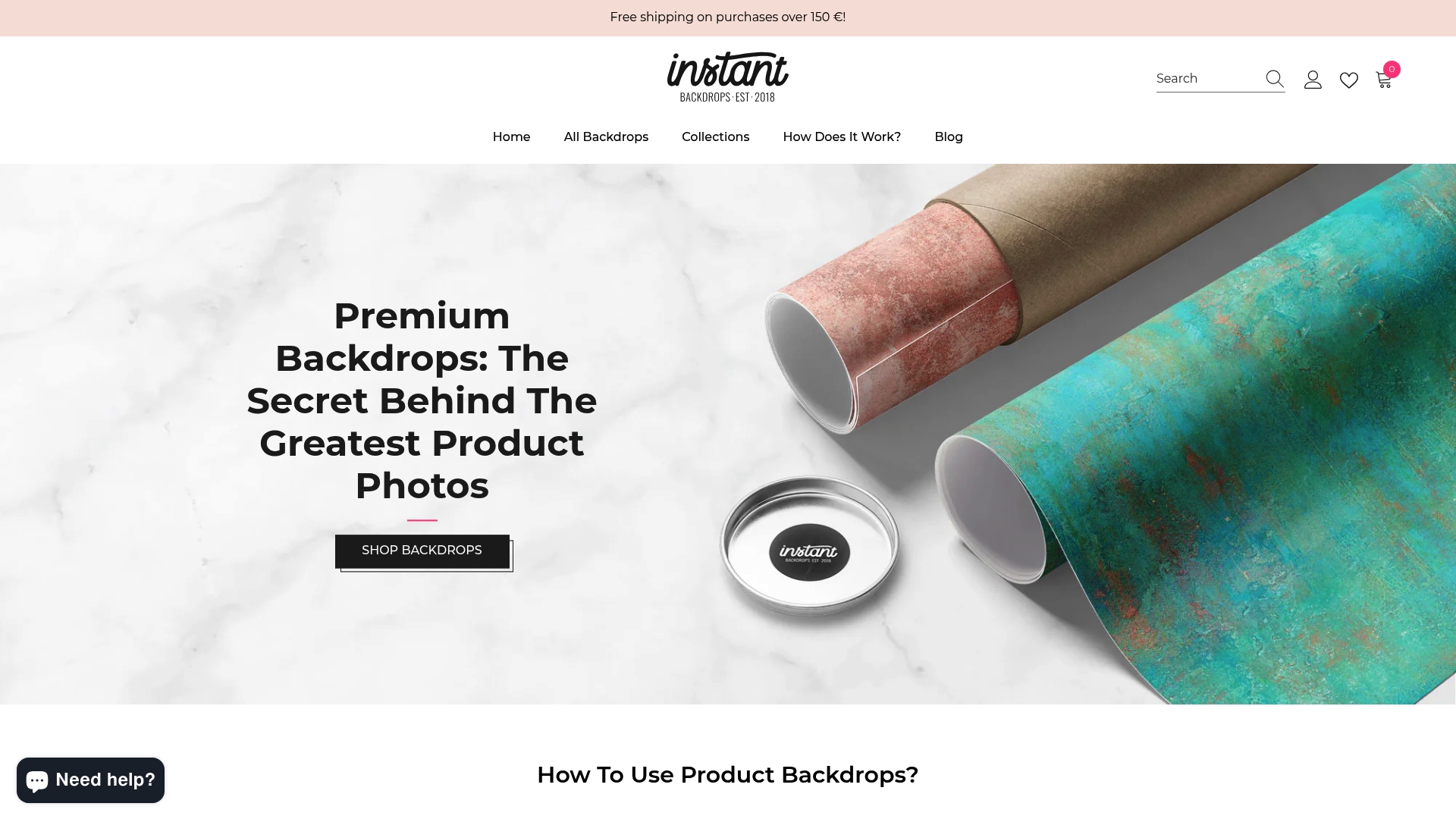
At Instant Backdrops, we carry a curated range of ultra-realistic backdrops built specifically for food, product, e-commerce, and lifestyle photography. Every surface is printed in high resolution on durable, spill-resistant vinyl, so you spend less time fixing and more time shooting. Browse our collections to find textures that match your style and your clients’ brands.
Frequently asked questions
What makes an ultra-realistic background different from a standard vinyl backdrop?
Ultra-realistic backgrounds are designed to closely mimic real surfaces and textures, giving your images greater depth and authenticity. Unlike basic vinyl, they use high-resolution printing that holds up under close-up shots without revealing artificial detail, and enhance product realism while reducing editing needs.
Do ultra-realistic vinyl backdrops reflect light in studio setups?
Vinyl can reflect some light, but professional-grade ultra-realistic types often use matte finishes to minimize unwanted glare. Vinyl technology has improved significantly for reduced glare, narrowing the gap with fabric in controlled lighting environments.
How do I clean and maintain ultra-realistic vinyl backgrounds?
Simply wipe them with a damp cloth between shots or sessions. Vinyl excels in wipeability for messy food and e-commerce shoots, making it the most practical option when spills are part of the process.
Are ultra-realistic backgrounds worth the investment for small-scale sellers?
Yes. They help products stand out in competitive markets, improve photo consistency, and reduce editing effort regardless of your scale. Ultra-realistic backgrounds are recommended for e-commerce and food shoots where image quality directly influences purchase decisions.