





Backdrop materials for professional photography: 2026 guide
Choosing the right backdrop material affects image quality, workflow efficiency, and shoot costs. Professional photographers and content creators face an overwhelming array of options, from vinyl to muslin to paper, each claiming superiority. This guide breaks down real-world material examples with specific pros, cons, and best-use scenarios to help you select backdrops that enhance your visual storytelling without compromising durability or budget.
Table of Contents
- How To Choose The Right Backdrop Material: Key Selection Criteria
- Popular Backdrop Materials For Photographers: Features And Use Cases
- Material-Specific Strengths And Best Use Cases
- Cost And Maintenance Considerations
- Summary Comparison Table Of Backdrop Materials
- Situational Picks: Choosing The Best Backdrop Material For Your Needs
- Find Your Perfect Backdrop At Instant Backdrops
- FAQ
Key takeaways
| Point | Details |
|---|---|
| Material differences | Backdrop materials vary significantly in durability, maintenance needs, portability, and cost effectiveness. |
| Vinyl advantages | Vinyl backdrops offer 60% less cleanup time with stain-resistant surfaces ideal for food and product shoots. |
| Fabric tradeoffs | Muslin and polyester provide portability and color vibrancy but require ironing and careful washing. |
| Paper limitations | Paper backdrops cost least upfront but tear easily and suit only controlled studio environments. |
| Match to scenario | Choose materials based on shoot type, spill risk, travel needs, and budget rather than one-size-fits-all thinking. |
How to choose the right backdrop material: key selection criteria
Selecting the right backdrop material starts with understanding your specific photography needs and environmental conditions. Five core criteria determine whether a material will support or sabotage your creative vision.
Durability and stain resistance matter most for photographers working with food, cosmetics, or products that might spill or stain. Durability against spills and tears saves time and money by reducing replacement frequency and cleanup effort between shots.
Visual aesthetic factors include texture realism, color accuracy under various lighting, and finish type. A backdrop might photograph beautifully in natural light but look washed out under strobes, or vice versa. Test materials under your actual shooting conditions before committing to bulk purchases.
Portability becomes critical for influencers and location photographers who need backdrops that fold compactly and transport without damage. Weight, folding mechanics, and wrinkle recovery after transport determine whether a material suits mobile workflows or belongs in a permanent studio setup.
Maintenance requirements directly impact your time between shoots. Some materials wipe clean in seconds while others demand professional cleaning or careful ironing. Calculate the hidden cost of prep time when comparing materials, especially if you shoot daily or run a high-volume studio.
Cost analysis should weigh initial purchase price against lifespan and maintenance expenses. A $20 paper backdrop might seem economical until you replace it weekly, while a $120 vinyl option could last years with minimal care. Consider your product photography checklist 2026 requirements to determine true cost per shoot.
Pro Tip: Track replacement frequency and cleanup time for current backdrops over one month to identify hidden costs before switching materials.
Popular backdrop materials for photographers: features and use cases
Six primary backdrop materials dominate professional photography, each engineered for specific shooting conditions and visual styles.
Vinyl backdrops deliver waterproof, ultra-realistic and stain-resistant surfaces that handle oil spills, liquid splashes, and pigment stains without absorbing damage. The material photographs with high detail even in macro shots, making it ideal for food styling, cosmetics, and jewelry where surface realism matters. Vinyl resists tearing and maintains color vibrancy through hundreds of shoots.
Muslin fabric offers lightweight portability and machine washability, folding into compact sizes for travel shoots. The natural fiber texture creates soft light diffusion and works well for portrait backgrounds. However, muslin wrinkles easily during transport and requires steaming or ironing before each shoot. Color options tend toward muted tones rather than vivid prints.
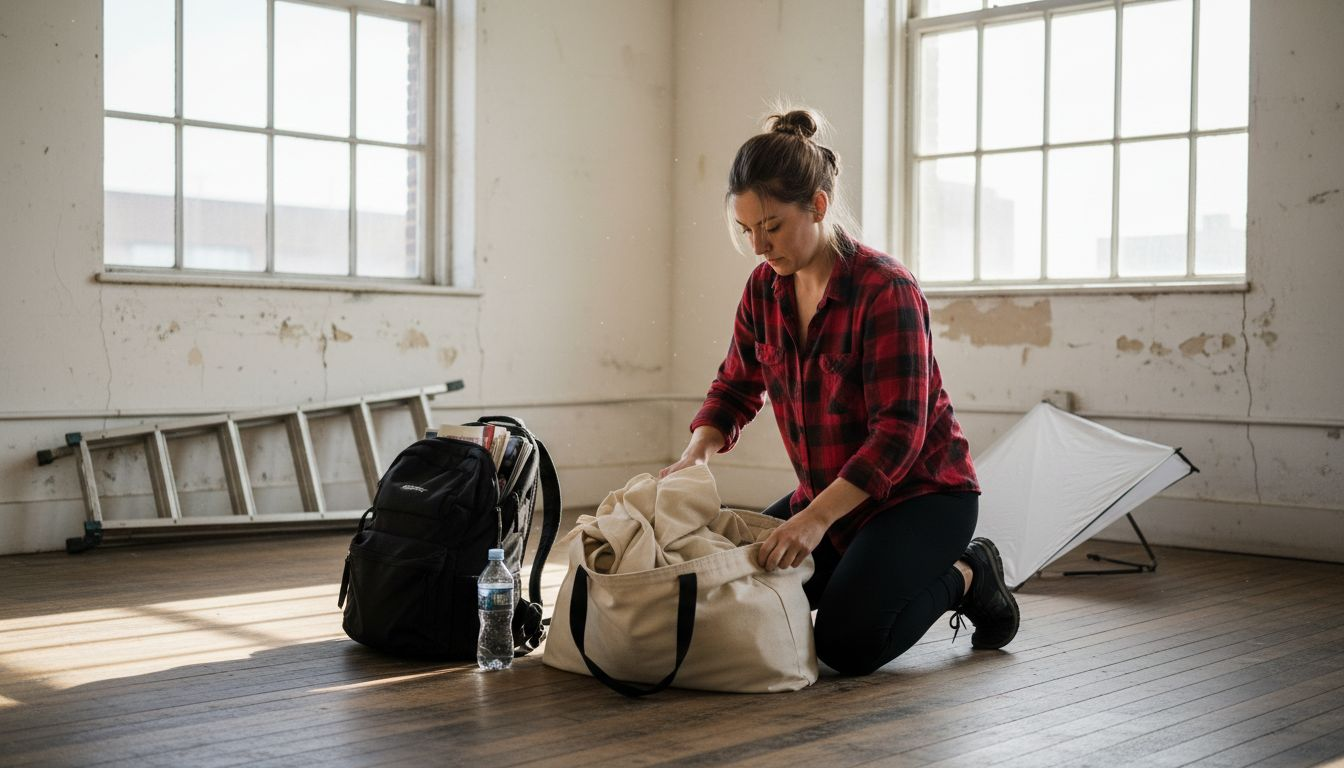
Paper backdrops provide perfectly smooth, seamless surfaces at the lowest initial cost. Studios use paper for solid color backgrounds where texture would distract from the subject. The material tears easily, absorbs stains permanently, and wrinkles irreversibly, limiting it to single-use or very controlled environments. Paper works best for studio headshots or product shoots with zero spill risk.
Polyester fabric combines wrinkle resistance with colorfast properties, maintaining vibrant hues through repeated washing cycles. The synthetic material resists fading under continuous studio lighting better than natural fabrics. Fashion photographers favor polyester for draped backgrounds and traveling shows. Delicate washing requirements and moderate cost position it between budget and premium options.
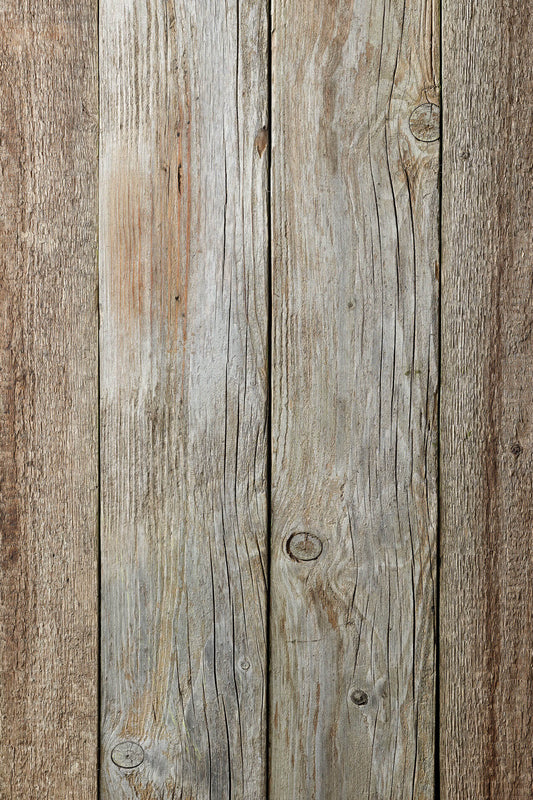
Wood-textured vinyl merges the natural aesthetic of real wood grain with wipeable convenience. High-resolution printing captures authentic texture details that photograph realistically in lifestyle and rustic product shoots. The material adds warmth and organic feel without the weight, splinter risk, or maintenance demands of actual wood panels.
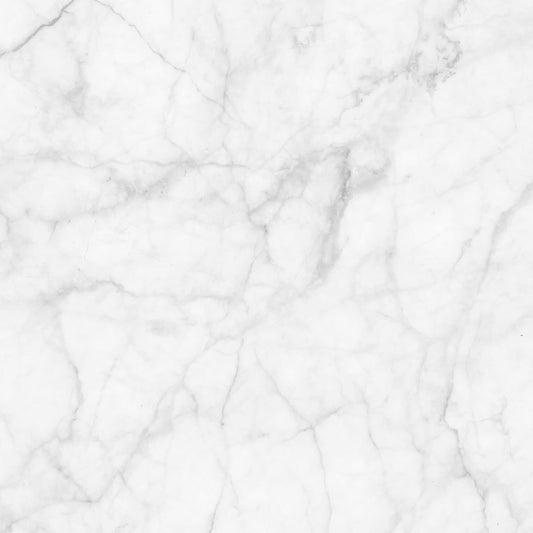
Ultra high-resolution printed vinyl extends beyond simple textures to complex scenes like marble, concrete, or decorative walls. Premium printing technology ensures colors remain vibrant through years of use and close-up photography. E-commerce sellers rely on these backdrops for consistent brand aesthetics across product lines. Explore essential photography backdrop ideas to see creative applications across genres, and review comprehensive photography background types for technical comparisons.
Material-specific strengths and best use cases
Matching backdrop materials to photography genres maximizes both visual quality and workflow efficiency through strategic material selection.
Vinyl dominates food and product photography because wipe-clean surfaces handle oils and liquids without permanent staining. A food stylist can spill olive oil, wipe it off in 10 seconds, and continue shooting. The material’s durability supports rapid-fire product shoots where multiple items get photographed daily. Commercial studios shooting cosmetics, beverages, or prepared foods choose vinyl to eliminate downtime between setups.
Muslin remains the travel photographer’s favorite despite wrinkle challenges because fabric folds into luggage without adding significant weight. Influencers shooting content across multiple locations value the ability to maintain consistent backgrounds without shipping bulky materials. The washability allows refresh after dusty outdoor shoots or accidental dirt transfer. Smart travelers pack a small steamer to address wrinkles on location.
Paper suits budget-conscious studios with controlled shooting conditions and minimal physical contact with backgrounds. Portrait studios shooting headshots or corporate photos use paper because subjects never touch the backdrop, eliminating spill and tear risks. Student photographers and hobbyists starting out appreciate the low barrier to entry, though they quickly outgrow paper as volume increases.
Polyester excels in fashion photography where vivid, wrinkle-free colors enhance garment presentation without competing for visual attention. The material drapes elegantly for full-body shots and maintains professional appearance through fashion show seasons. Color accuracy matters enormously in fashion, and polyester’s resistance to fading under hot lights preserves brand color standards.
High-resolution vinyl supports realistic lifestyle photography backdrops and e-commerce product shots requiring scene-setting without actual location shoots. A marble backdrop creates luxury product context, while weathered wood suggests artisanal craft appeal. Detailed texture printing allows extreme close-ups that reveal surface authenticity. Check backdrops in food photography for spill-resistant applications and browse smart lifestyle photography backdrop ideas for creative scene construction.
Pro Tip: Keep multiple material types on hand for different client needs rather than forcing one material to serve all purposes, which compromises either quality or efficiency.
Cost and maintenance considerations
Financial analysis of backdrop materials must account for both upfront investment and ongoing operational costs to reveal true value.
Paper backdrops cost least initially at $15 to $40 per roll but last only one to five shoots depending on handling care. Studios shooting daily can burn through paper weekly, creating a hidden recurring expense that exceeds durable material costs within months. Paper makes sense only for occasional hobby use or strictly controlled studio conditions.
Vinyl backdrops range from $80 to $200 depending on size and print complexity but survive hundreds of shoots with minimal care. The waterproof surface requires only quick wipes between sessions, adding virtually zero maintenance time. A $150 vinyl backdrop used three times weekly for two years costs roughly $1.50 per shoot, while paper at $30 per week totals $3,120 over the same period. The math favors vinyl decisively for professional workflows.
Fabric backdrops fall between paper and vinyl in initial cost at $40 to $120 but demand significant ongoing maintenance effort. Each use requires ironing or steaming to remove wrinkles, adding 15 to 30 minutes of prep time. Washing every 10 to 15 shoots introduces additional labor and potential shrinkage or color bleeding risks. Factor this maintenance time into your hourly rate when calculating true fabric costs.
Cost effectiveness depends heavily on usage frequency and damage risk profile. A jewelry photographer shooting delicate items on clean surfaces might use paper successfully for years. A food blogger filming cooking tutorials needs vinyl’s spill protection to avoid constant backdrop replacement. Assess your specific workflow honestly before choosing based solely on sticker price.
| Material | Upfront Cost | Lifespan | Maintenance | Best For |
|---|---|---|---|---|
| Paper | $15-$40 | 1-5 shoots | None, disposable | Budget studios, low-volume |
| Vinyl | $80-$200 | 200+ shoots | Wipe clean | Food, product, high-volume |
| Muslin | $40-$90 | 50-100 shoots | Iron, wash | Travel, portraits |
| Polyester | $60-$120 | 100+ shoots | Gentle wash | Fashion, color-critical |
Consult vinyl backdrops cost and care for detailed maintenance protocols that extend material lifespan and protect your investment.
Summary comparison table of backdrop materials
This comprehensive comparison distills material properties into decision-making criteria for rapid selection based on your specific photography priorities.
| Criteria | Vinyl | Muslin | Paper | Polyester |
|---|---|---|---|---|
| Price Range | $80-$200 | $40-$90 | $15-$40 | $60-$120 |
| Durability | Excellent, tear-resistant | Good, can tear | Poor, fragile | Very good |
| Stain Resistance | Excellent, waterproof | Fair, washable | None, absorbs | Good, resists fading |
| Maintenance Effort | Minimal, wipe only | High, iron/steam/wash | None, replace | Moderate, gentle wash |
| Portability | Moderate, can roll | Excellent, lightweight | Good, rolls compact | Very good, folds well |
| Wrinkle Issues | None | Significant | Permanent when creased | Minimal |
| Ideal Uses | Food, product, spills | Travel, portraits | Controlled studio | Fashion, vibrant color |
| Color Longevity | Years, fade-resistant | Moderate, can fade | Good until damaged | Excellent, colorfast |
This table simplifies complex material decisions into scannable format, allowing photographers to identify the best match for their dominant shooting scenarios quickly. No single material wins every category, reinforcing the value of maintaining multiple backdrop types for different client needs.
Situational picks: choosing the best backdrop material for your needs
Practical scenario matching helps translate material specifications into confident purchasing decisions aligned with your actual photography work.
-
Spill-prone food and product photography: Choose vinyl for its wipeable surfaces that prevent oil and liquid damage. Food stylists working with sauces, beverages, or oily ingredients eliminate cleanup stress and maintain shooting momentum. Product photographers handling cosmetics or liquids gain the same protection.
-
Lightweight travel and influencer setups: Select muslin fabric for foldable transport and minimal luggage weight. Content creators moving between locations three or more times weekly value the portability despite accepting wrinkle management as part of their workflow. Pack a handheld steamer to address creases on site.
-
Budget studio with controlled conditions: Opt for paper backdrops when subjects never contact backgrounds and spill risks are zero. Portrait photographers shooting headshots or corporate photos in permanent studio spaces can use paper economically. Replace immediately when tears or stains appear rather than attempting repairs.
-
Fashion shoots requiring vivid, wrinkle-free colors: Choose polyester for its colorfast properties and wrinkle resistance under studio lighting. Fashion photographers need backgrounds that complement rather than compete with garments, and polyester delivers consistent color without ironing between every shot.
-
Realistic lifestyle and e-commerce scenes: Select high-resolution printed vinyl to create authentic environmental context without location expenses. E-commerce sellers shooting dozens of products daily benefit from texture realism that photographs convincingly in close-ups while offering vinyl’s practical durability.
-
Multi-genre professional studios: Maintain vinyl for commercial work, muslin for portraits, and polyester for fashion clients. This material diversity ensures you can accept varied assignments without compromising quality or workflow efficiency. Store materials properly to extend lifespan across all types.
Pro Tip: Test materials with your actual camera, lighting, and editing workflow before bulk purchases, since materials photograph differently under various technical setups.
Explore creative backdrop setups to see how professionals combine materials and techniques for unique visual results that elevate ordinary product shots into compelling brand stories.
Find your perfect backdrop at Instant Backdrops
After exploring material options and selection criteria, you need a trusted source offering professional-grade backdrops that match your specific photography requirements. Instant Backdrops specializes in ultra-realistic vinyl backgrounds engineered for durability, color vibrancy, and effortless maintenance.
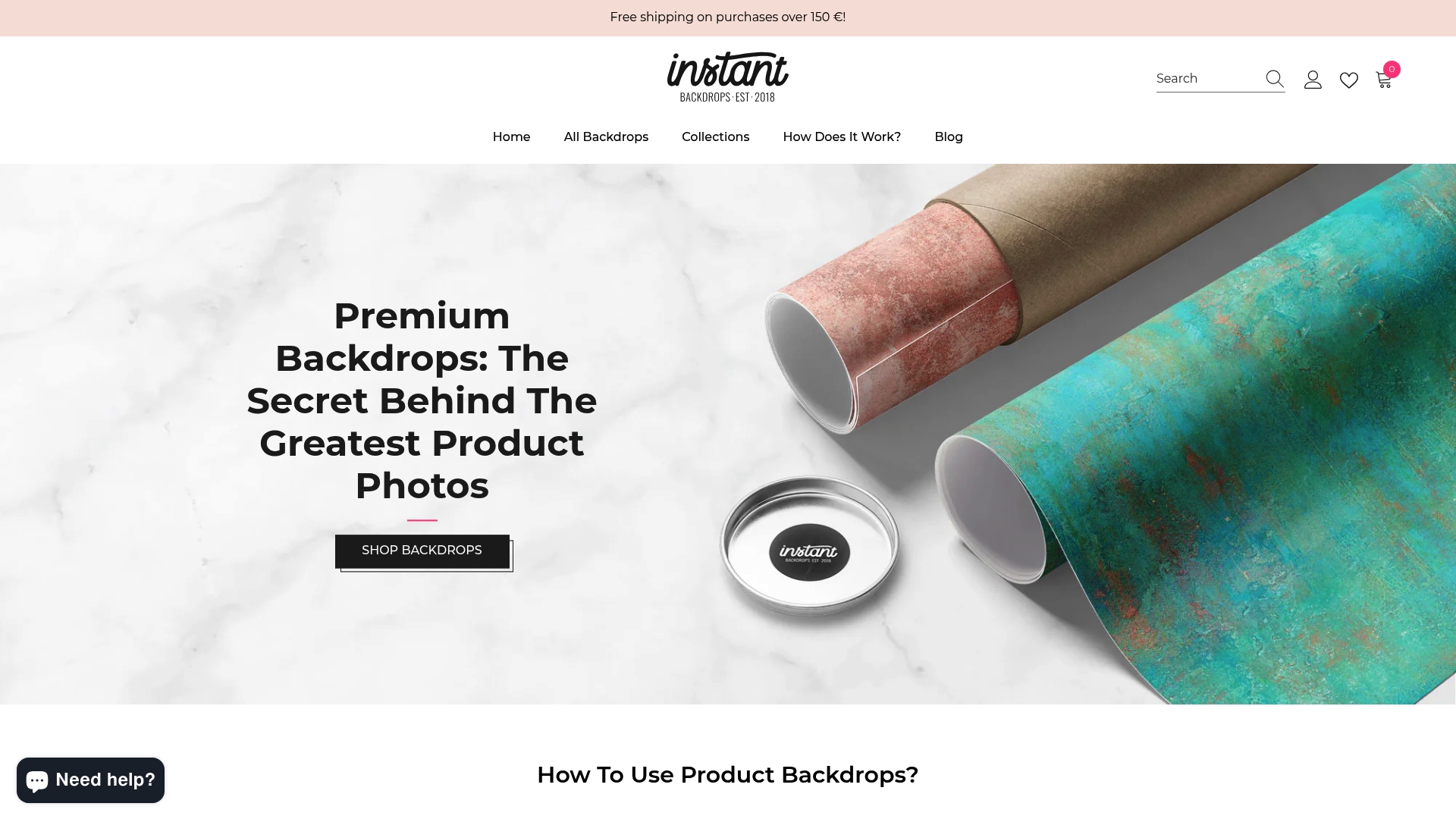
Our curated collection includes marble, wood, stone, and decorative wall textures in large formats that support both product close-ups and full scene compositions. Each backdrop features waterproof, stain-resistant vinyl that handles the demands of food styling, product photography, and lifestyle content creation without the constant replacement cycle of paper or maintenance burden of fabric.
Professional photographers, influencers, and e-commerce sellers trust Instant Backdrops for product photography because our materials deliver consistent, high-quality results shoot after shoot. Convenient bundle deals and fast shipping help you build a versatile backdrop library that elevates your visual storytelling while simplifying your workflow. Visit our collection today to find backdrops that transform your creative vision into stunning, professional imagery.
FAQ
What is the easiest backdrop material to clean?
Vinyl ranks as the easiest material to clean due to its waterproof, non-porous surface that wipes clean with damp cloths in seconds. Spills, oil splashes, and pigment stains remove completely without leaving residue or requiring special cleaning products. Muslin and polyester demand more delicate care including hand washing or gentle machine cycles with careful drying to prevent shrinkage.
Can paper backdrops be reused for multiple shoots?
Paper backdrops function as single-use or very limited reuse materials due to inherent fragility and stain absorption. They tear easily during handling, wrinkle permanently when creased, and absorb any liquid contact irreversibly. Budget-conscious photographers might extend paper life to three or four careful shoots in controlled conditions, but professional workflows typically treat paper as disposable after each session.
What backdrop material is best for travel photography setups?
Muslin fabric excels for travel photography because it folds into compact sizes, weighs minimal amounts, and packs into standard luggage without special cases. The lightweight natural fiber travels easily on planes, in cars, or carried to remote locations where portability matters more than wrinkle concerns. Vinyl can work for vehicle-based travel if you have space for rolled storage, but it becomes impractical for air travel or hiking to locations. Browse creative backdrop setups for portable configuration ideas that work in varied environments.
How does backdrop texture affect product photography?
Texture influences viewer perception, product focus, and overall mood in product photography by creating visual context and contrast levels. Smooth backdrops like paper or seamless vinyl provide clean, minimal aesthetics that direct attention entirely to product details without competing elements. Textured backdrops including wood grain, marble, or fabric weaves add lifestyle context, suggest quality levels, and create authentic scenes that enhance storytelling. The texture choice should align with brand positioning, where luxury products often pair with refined textures while artisanal goods benefit from rustic surfaces. Review product photography background types to understand how texture selection impacts final image quality and brand messaging.